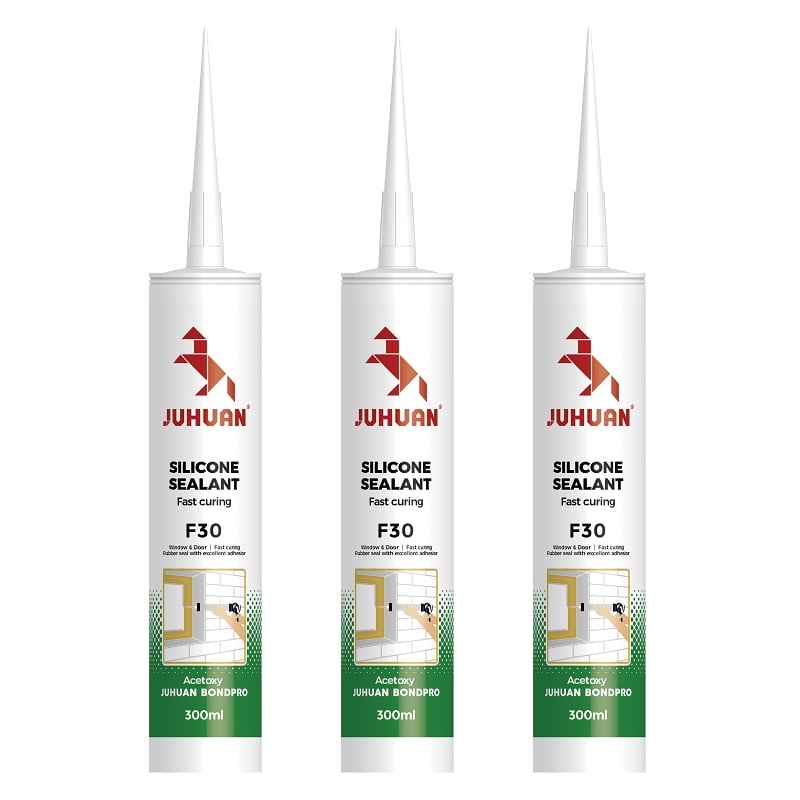
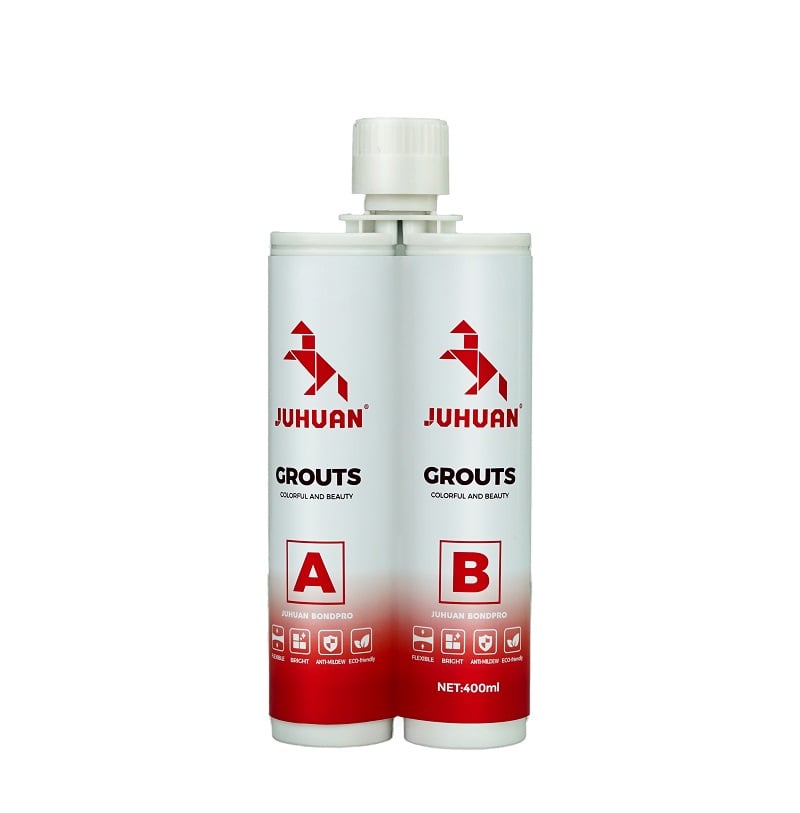
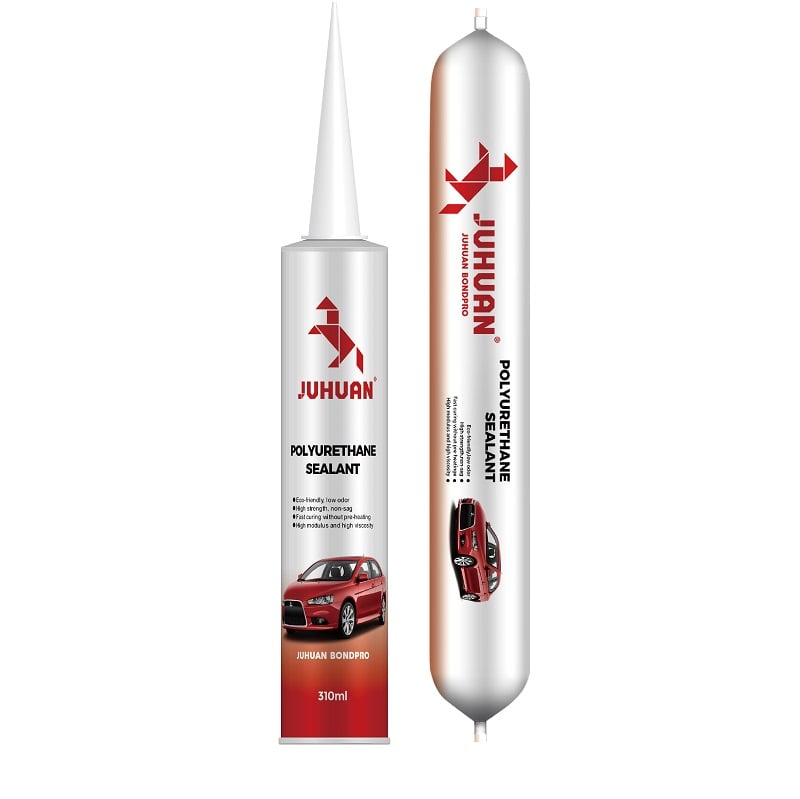
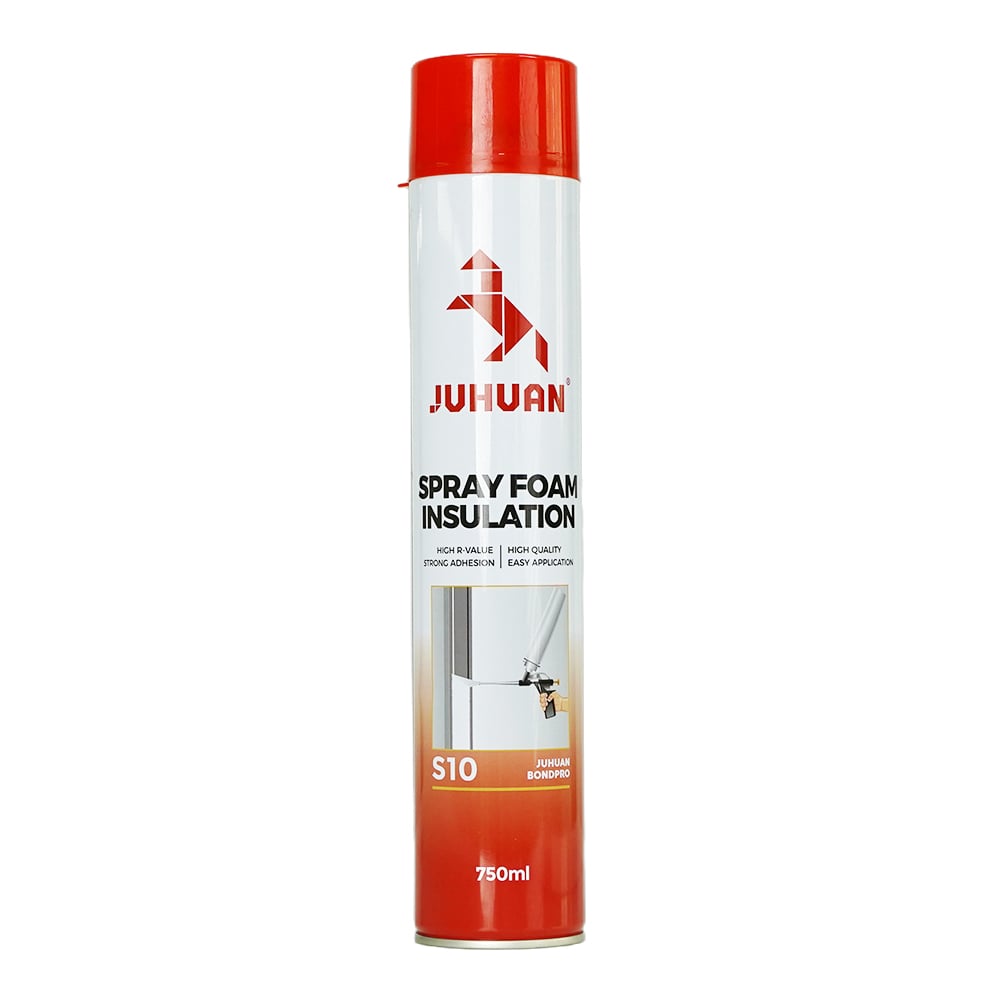
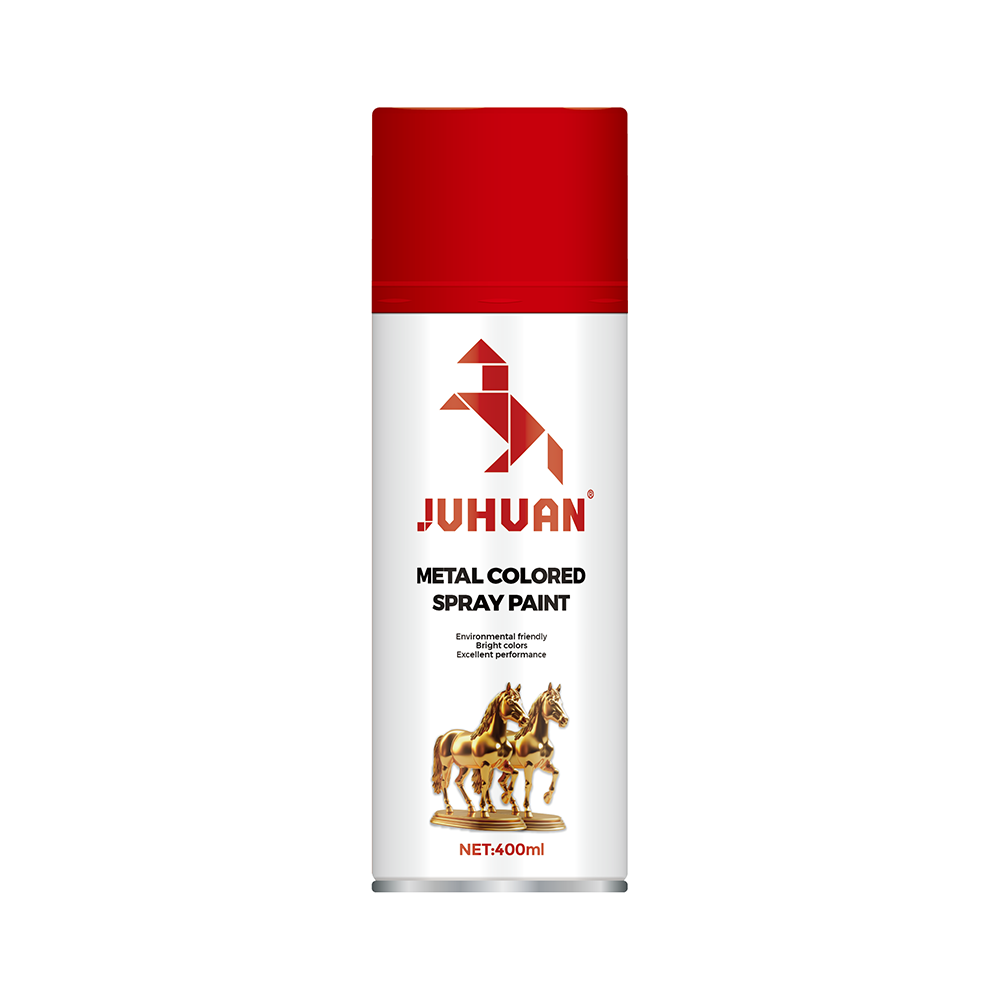
فوم پلیاورتان چیست؟ تعریف اولیه: فوم پلیاورتان مادهای پلیمری است که از واکنش پلیاُلها و ایزوسیاناتها تشکیل میشود.
این ماده فومی سبکوزن و قابل انبساط ایجاد میکند که دارای خواص عالی در زمینهٔ آببندی و عایقبندی است.
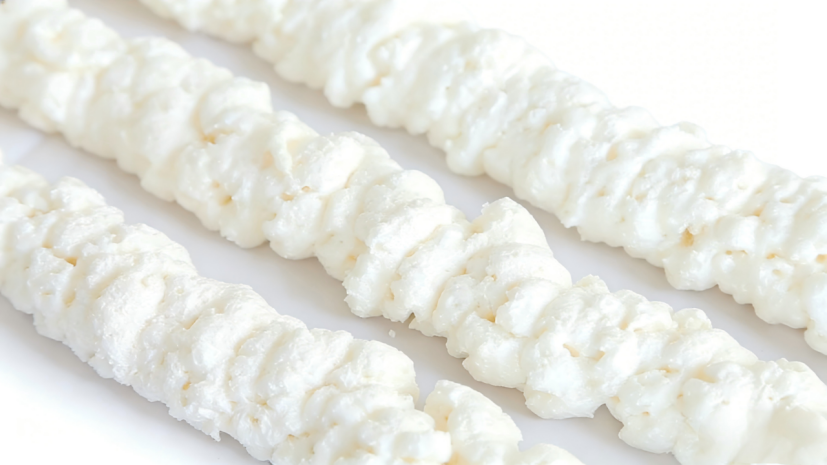
ویژگیهای فوم PU تکاجزایی: فوم PU تکاجزایی به دلیل راحتی استفاده و عملکرد بالایش بهطور گستردهای مورد استفاده قرار میگیرد: آمادهٔ استفاده (نیازی به اختلاط ندارد)، واکنشپذیر با رطوبت هوا (رطوبتزدا)، چسبندگی قوی به انواع زیرلایهها، و قابلیت انبساط بالا برای پرکردن شکافها. این ویژگیها آن را برای کاربردهای فوم پرکنندهٔ شکافها و فوم پنجره و درب ایدهآل میسازد.
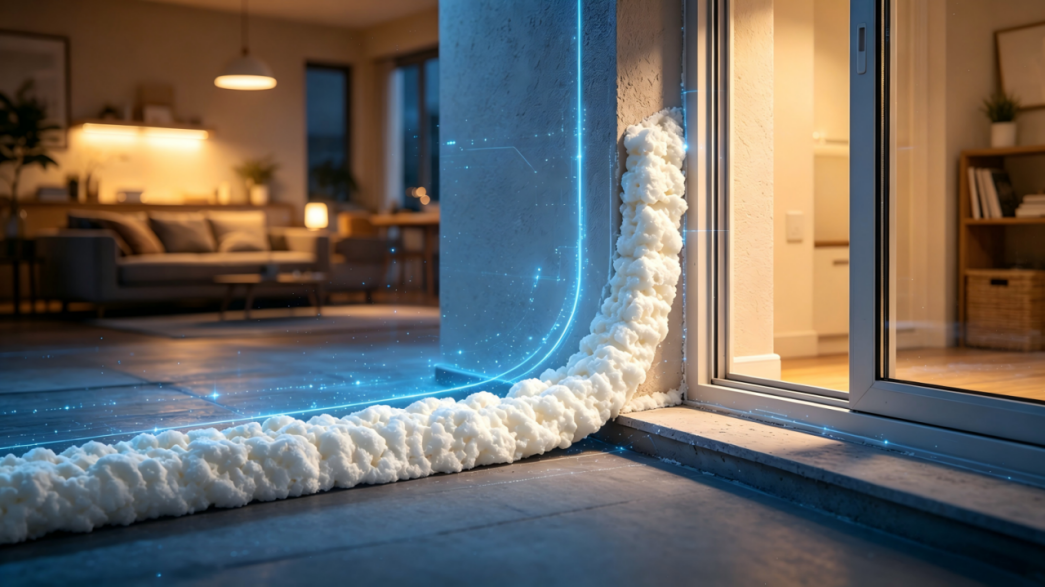
روند بازار: تقاضای جهانی برای پشمپلیاورتان (PU) به دلیل نیازهای ساختوساز و کارایی انرژی همچنان در حال رشد است.
اندازه بازار جهانی: حدود ۵٫۴ میلیارد دلار در سال ۲۰۲۴ (دادهٔ موقت) — پیشبینی میشود تا سال ۲۰۳۳ به ۱۲ میلیارد دلار برسد. نرخ رشد مرکب سالانه (CAGR): حدود ۹٪. این رشد، اهمیت فزایندهٔ تأمینکنندگان چینی قابل اعتماد پشمپلیاورتان (PU) را برای خریداران جهانی نشان میدهد.
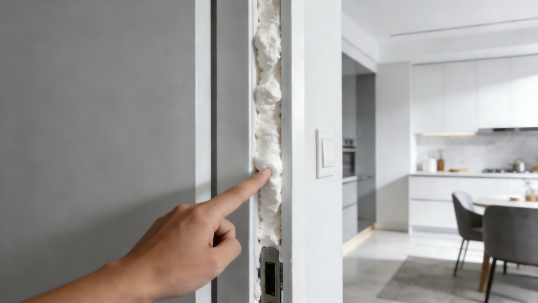
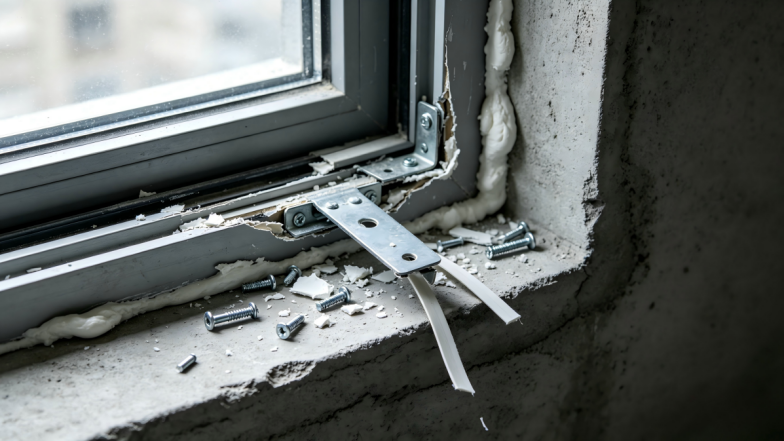
کاربردها و چالشهای اصلی: نصب پنجره و درب — کاربردهای رایج: پرکردن شکافها اطراف قابها، آببندی هوایی و آبی، عایقبندی حرارتی و صوتی — چالشهای اصلی: بازده پایین پشم → پرکردن ناقص، انقباض بالا → ترکخوردگی و نشت، چسبندگی ضعیف → خرابی بلندمدت
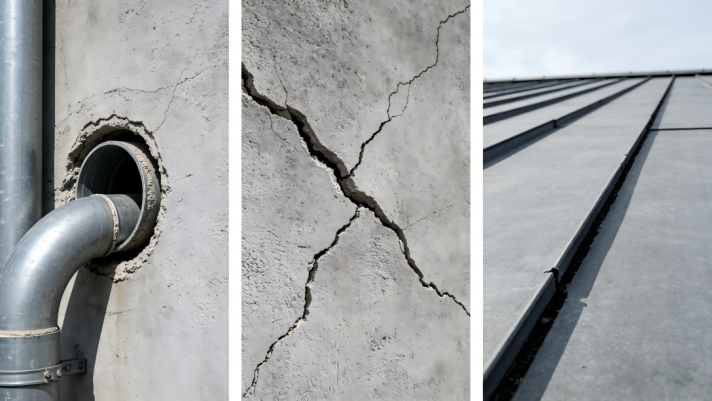
پرکردن شکافها در ساختوساز — کاربردها شامل: نفوذ لولهها، ترکهای دیوار، اتصالات سقف — پشمپلیاورتان (PU) با آببندی نشتهای هوا و بهبود کارایی عایقبندی، به کاهش اتلاف انرژی کمک میکند.
درخواستهای کارایی انرژی
ساختمانهای مدرن نیازمند:
- عملکرد عایق بالا
- کاهش نشت هوا
- متقاعد شدن به استانداردهای ساختمان سبز
پشمپلیاورتان (PU) نقشی حیاتی در دستیابی به این اهداف ایفا میکند.
چگونه پشمپلیاورتان (PU) با عملکرد بالا انتخاب کنیم؟
H3: مقایسهٔ مشخصات کلیدی
|
پارامتر
|
فوم استاندارد
|
پشم با بازده بالا — ۴۰ لیتر
|
|
بازده
|
۲۵–۳۰ لیتر
|
≥۴۰ لیتر
|
|
کاهش اندازه
|
بالا
|
کم
|
|
چسبندگی
|
متوسط
|
قوي
|
|
کارایی
|
متوسط
|
بالا
|
چکلیست انتخاب
هنگام انتخاب پلیاورتان سازنده اصلی (OEM)، موارد زیر را در نظر بگیرید:
- ✔ بازده فوم (حجم خروجی)
- ✔ زمان پخت
- ✔ چگالی و نسبت سلولهای بسته
- ✔ انطباق با استانداردهای محیطزیستی (REACH/ROHS)
- ✔ قابلیت سفارشیسازی توسط سازنده اصلی (OEM)
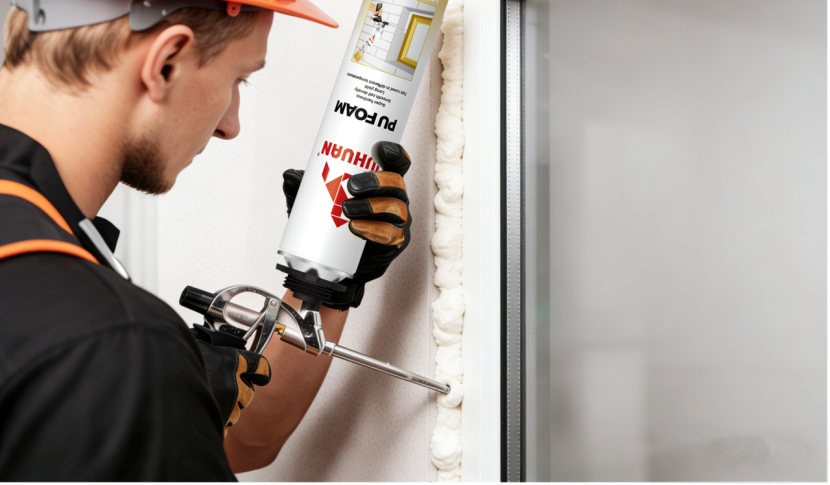
راهنمای مراحل کاربرد
برای دستیابی به نتایج بهینه، مراحل زیر را دنبال کنید:
- سطح را تمیز کرده و آماده کنید
- آب را بهصورت سبک روی سطح اسپری کنید تا فرآیند سختشدن بهبود یابد
- شکافها را تا حدود ۵۰ درصد پر کنید (پنیره بهطور خودکار منبسط میشود)
- به پنیره اجازه دهید سفت شود و سپس بخش اضافی آن را برش بزنید
- در صورت نیاز، پرداخت نهایی سطح را انجام دهید
مطالعه موردی: ارتقای کارایی با استفاده از پنیره با بازده بالا
پس زمینه پروژه
یک تولیدکننده پنجره قبلاً از پنیره استاندارد استفاده میکرد:
- ضایعات مواد: حدود ۲۰ درصد
- نرخ شکایات بالا (مشکلات نشت هوا)
پس از تغییر به فوم با بازده بالا، ظرفیت ۴۰ لیتری
نتایج:
- بهبود ۳۰ درصدی در بهرهبرداری از مواد
- افزایش ۲۵ درصدی کارایی نصب
- کاهش قابل توجه شکایات مشتریان
مزیت رقابتی ما (شرکت مواد جدید جوهوان شاندونگ)
در مقایسه با محصولات مرسوم، ما ارائه میدهیم:
نکات مهم
- خروجی با بازده بالا (۴۰ لیتر به بالا)
- فرمولاسیون با جمعشدگی کم
- توانایی تأمین پایدار محصولات برای تولیدکنندگان اصلی (OEM)
- تخصصیشده برای کاربردهای پنجره و ساختمان
ترکیبات ما بهطور مداوم بر اساس روندهای صنعتی، از جمله بهبود عملکرد زیستمحیطی و افزایش پایداری — حوزههایی که اغلب توسط رقبا بهطور کامل مورد توجه قرار نمیگیرند — بهینهسازی میشوند.
سوالات متداول
آیا فوم پلیاورتان (PU) ضد آب است؟
بله، پس از سختشدن، مقاومت خوبی در برابر آب ارائه میدهد، اما برای قرارگیری بلندمدت در معرض آب، آببندی سطحی توصیه میشود.
تفاوت بین فوم پلیاورتان یکاجزایی و دواجزایی چیست؟
فوم یکاجزایی استفادهآسانتری دارد و برای کاربردهای محلی ایدهآل است.
چرا بازده فوم در عمل متغیر است؟
این موضوع به دما، رطوبت و تکنیک اعمال بستگی دارد.
مزایای فوم بازده بالا ۴۰ لیتری چیست؟
افزایش بازده، هزینه هر بار استفاده را کاهش داده و کارایی را بهبود میبخشد.
آیا میتوانم فوم پلیاورتان سفارشی (OEM) دریافت کنم؟
بله، بسیاری از تولیدکنندگان (از جمله ما) سفارشیسازی OEM ارائه میدهند.
۶. آیا فوم پلیاورتان از نظر زیستمحیطی بیخطر است؟
این امر بستگی به ترکیب فرمولاسیون دارد—محصولاتی را انتخاب کنید که مطابق با استانداردهای REACH یا استانداردهای مشابه باشند.
با تکامل استانداردهای ساختوساز، فوم پلیاورتان، بهویژه فوم PU تکاجزایی، از یک مادهٔ تکمیلی به یک مادهٔ حیاتی تبدیل شده است. برای خریداران B2B مانند تولیدکنندگان پنجره، پیمانکاران و توزیعکنندگان، انتخاب فوم مناسب برای پرکردن شکافها مستقیماً بر کیفیت پروژه، کارایی هزینهها و عملکرد بلندمدت تأثیر میگذارد.
اگر به دنبال:
- یک تولیدکنندهٔ قابلاعتماد فوم PU در چین
- فوم با عملکرد بالا و بازده بالا، ۴۰ لیتری
- راهحلهای حرفهای فوم پلیاورتان OEM
امروز با شرکت فناوری مواد جدید شاندونگ جوهوان تماس بگیرید تا نمونهها و پشتیبانی فنی درخواست کنید. بگذارید ما به شما کمک کنیم تا در پروژهٔ بعدیتان کارایی را افزایش داده و هزینهها را کاهش دهید.

 اخبار داغ
 EN
EN