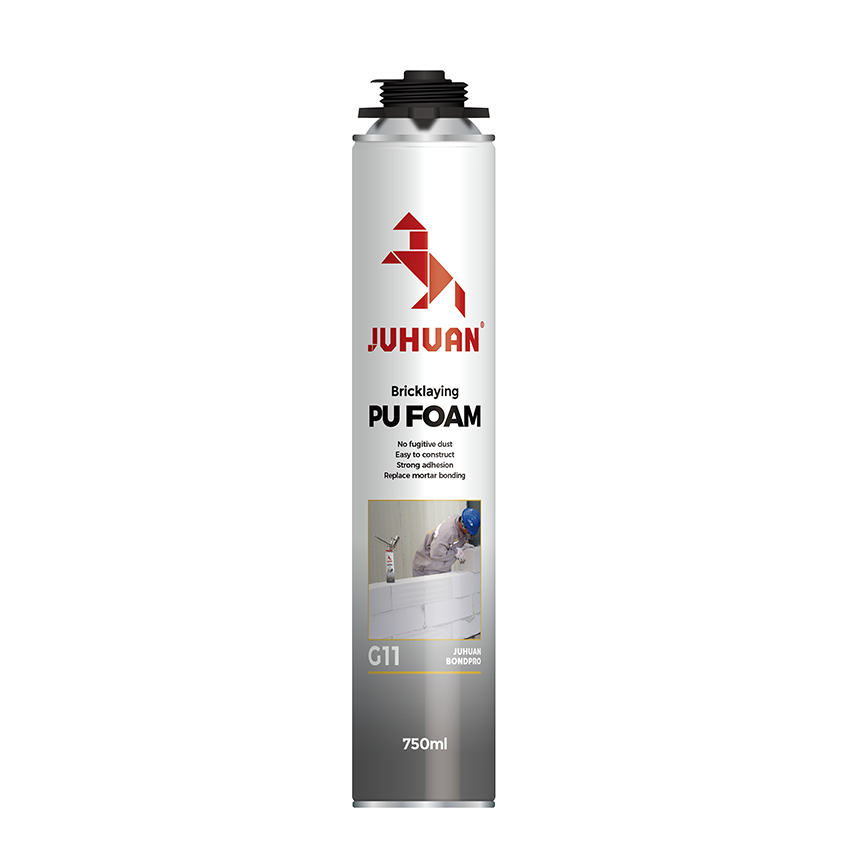
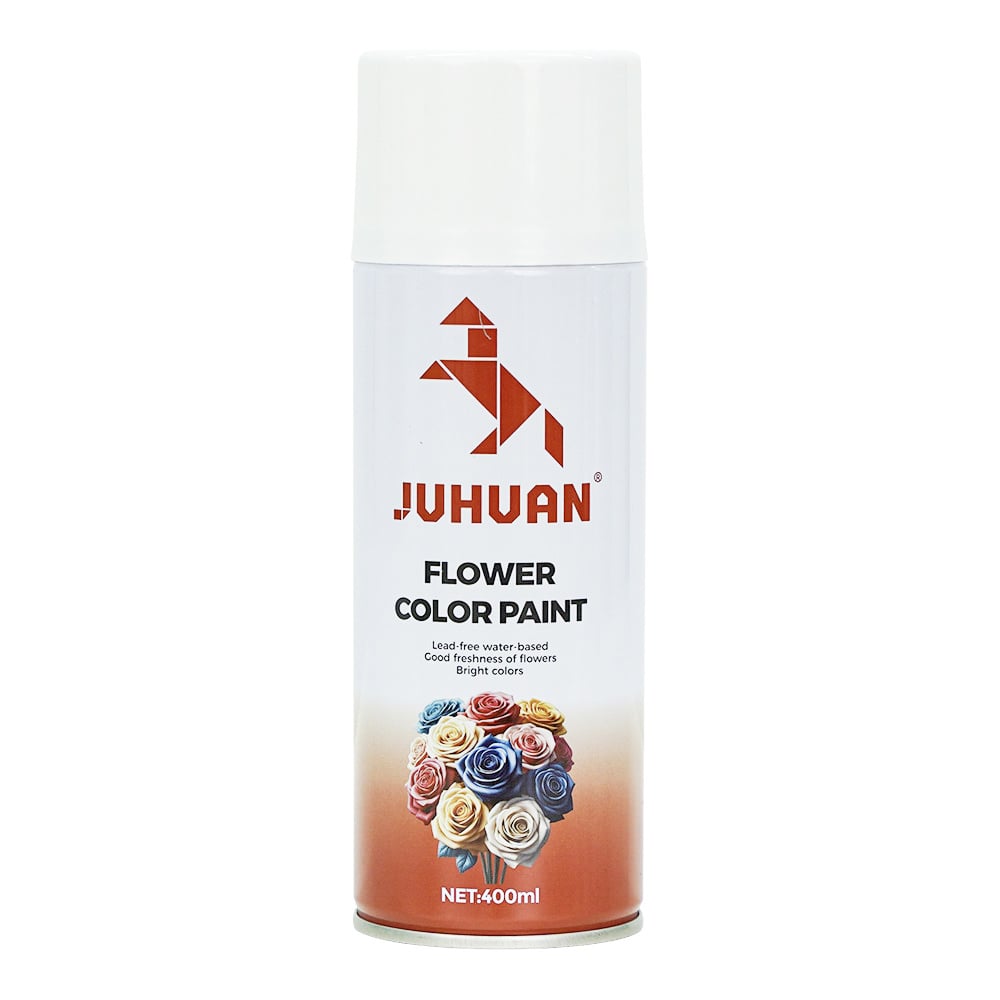
Kwa nini baadhi ya mafunguo inaonekana kuunganisha vizuri zaidi kuliko mengine? Je, ni kwa sababu ya kujaza pengo katika chombo cha mbao, kufunga muunganisho katika ukuta wa betoni, au kugawanya vifunguo katika matumizi ya ujenzi, ufunguo wa polyurethane huwa chaguo la wataalam. Mafunguo ya polyurethane yanajulikana kwa uwezo wao wa kudumu sana na muhimu zaidi, kutoa uunganishaji bora kwenye aina mbalimbali za uso. Kutoka kwa mtazamo wa sayansi, ni nini sababu ya uunganishaji huu bora?
Sealants za polyurethane, tofauti na sealants zingine za jumla ambazo zinatoa tu uunganisho wa kilele cha uso, zinawakiliana kimakini kwenye kilele cha chini ya uso, kujenga uunganisho mwingi zaidi wa nguvu. Badala ya kufikiri kama sealant ya tape ya pande mbili ya kawaida, fikiria sealant ya polyurethane kama uunganisho unaotengenezwa kwa ajili maalum kwenye kilele cha molekuli kwa kutumia adhesive ya nguvu ya juu sana. Ukumbusho huu wa sealants na uwezo wao wa kuunda uunganisho unahusiana kabisa na ubunifu wa kemikali wa sealant yenyewe pamoja na ubunifu wa vitu vya kujumuisha ambavyo vinapata mshikamano na sealant. Baada ya miaka mingi ya uzoefu katika uzalishaji wa sealants na adhesives, kampuni kama vile Juhuan ina uelewa wa kina wa mafundisho haya. Wanaundwa sealants zao za polyurethane ili kuzingatia kwa njia bora zaidi uunganisho wa kemikali, ikamaanisha kwamba sealants zao hutumika katika hali ngumu zaidi za kufunga. Kwa hiyo, hebu tuingie katika sayansi ya kwa nini kitu hiki kinashika vizuri sana.
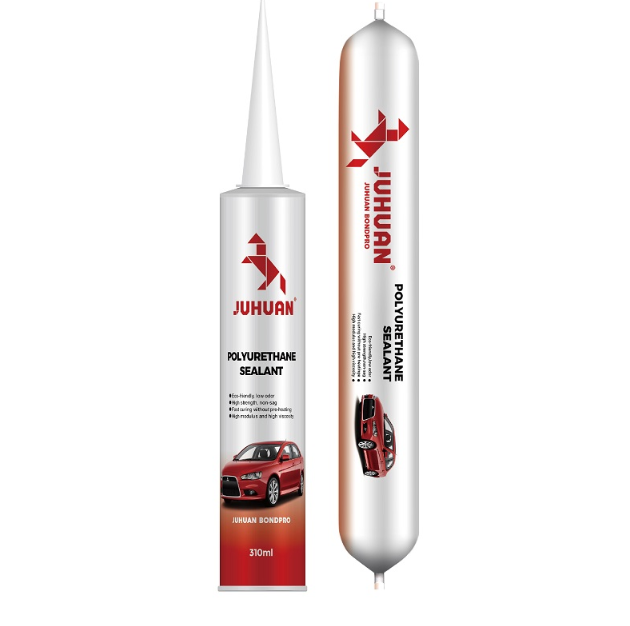
Kwa msingi wake, sealant ya polyurethane ni polymer, ambayo ni mfululizo wa mara nyingi sana za kitu cha molekuli moja, pia kinajulikana kama monomer. Polyols na isocyanates hufanya kirejesho cha kimia ili kuunda polymer ya polyurethane. Baada ya sealant kupewa, itaendelea kushirikiana na unyevu wa mazingira na uso ambao umepewa. Ushirikiano huu unaitwa kusafishwa (curing), ambao husababisha uunganisho wa kimia wa mfululizo wa polymer na uundaji wa muundo wa tatu wa kilio (three dimensional structure) uliothibitika.
Lakini siri ya kweli ya ufunguo wake iko katika mchakato wa kusharisha wakati molekuli za polyurethane bado zinahusishwa kimia na zinaweza kuunda urafu si tu kati yao bali pia na uso ambao unageuzwa. Polyurethane inaweza kuunda urafu wa kweli na vinyo vyote vingi, hasa yale yanayofanya kazi kwenye mapori au yanayofanya kazi kwenye kikundi cha kemikali maalum kwenye uso wao. Ni kama vile dawa ya kufunga ina mkono mmoja na inashikana na atomu za miti, mchoro au chuma. Hii ni nguvu zaidi kuliko kujitokeza tu kwenye mgawanyo wa uso, kama vile adhesives za awali zinavyofanya.
Fikiria baadhi ya vitu vya ujenzi vinavyotumika kwa wingi: mti, chuma cha kujenga, mifupa ya ujenzi, na hata kioo cha vinyo. Vina nini kimoja? Vinaweza kupitwa na maji. Vitu hivi vina mapanga ya uso na vifurushi vya kuvutia. Unapoweka kioo cha polyurethane kwenye kitu cha ujenzi, hakisimami juu ya uso wake. Kwa sababu kioo kina uvisu wa chini kabla ya kushiba, inamaanisha ita'fanya kama' na, kwa hiyo, kujaza vyote vya ukosefu, vya mapanga na mapanga ya kitu cha ujenzi. Kioo cha polyurethane, kwa mfano, kitajaza hadi kwenye mwisho wa tufu ikiwa iko yoyote. Kisha kitashiba na kutoa jaza lililofunguka kwenye mwisho wa tufu. 'Kufunga' ya kihisia ya kioo kilichoshiba, pamoja na hayo uliyosema, kitashibikia kama 'mshamba' kwenye mwisho wa tufu kama vile chuma cha kujenga kinachojaza tufu.
Uunganisho wa kushikiliana na uhusiano wa kemikali wa sealant ya polyurethane unatoa faida ya pekee. Ni sababu hii ambayo inafanya polyurethane kufanya kazi kwanza. Baada ya kuwa na nguvu (kukatika), sealant huwa sehemu ya uso ambalo unashikiliana nalo, na ni sababu ya ufanisi wake katika kufunga msingi na miamba, kushikiliana na vipande vya ubao vya muundo, na kudumisha vitu mahali ambapo uunganisho wa uso tu ungekauka.
Kipengele kingine cha kuvutia cha sealant za polyurethane kuhusu uendelevu wa ushikiliano ni uvimbe wao. Sealant na mafuta ya kushikiliana mengi ni magumu na makali baada ya kukatika. Hii inawakilisha tatizo kwa sababu vitu na muundo vinahamia. Vinaendelea kusambaa au kushuka kulingana na unyevu au joto. Na wakati wa muda, vitu vinapumzika na kuhama, na sealant inaweza kujitenga kutoka kwenye uso kwa sababu ya hambo hili. Hii itavuruga ufunuo na ushikiliano utapotea.
Wakati wa kuharibika kwa sealant ya polyurethane, inabaki yenye upepo na uwezo wa kuzunguka, maana yake ni kwamba inaweza kusitisha au kupungua hata kwa sababu ya mabadiliko ya muunganisho. Fikiria hii kama kamba ya kuchanganya yenye uwezo mkubwa wa kusitisha ambayo inahifadhi pengo. Inaweza kusitisha kwa sababu ya mabadiliko haya na kisha kurudi katika hali yake ya awali. Mabadiliko yanayotendeka mara kwa mara kwa sababu ya upepo una maana kwamba muunganisho wa kushikilia unapopaswa chini ya mashaka machache. Hii inamaanisha kwamba sealants za polyurethane, tofauti na adhesive na sealants zingine, hazijisumbua na vitu vyenye uwezo wa kubadilika. Hii ndiyo sifa kuu ya urethanes kwa ajili ya adhesive au sealants. Sealants nyingi hazijahifadhi uwezo mzuri wa kushikilia chini ya hali ya hewa ya nje nzito, tofauti na polyurethanes ambazo zinahifadhi uwezo wa kushikilia chini ya hali ngumu yoyote ya hewa.
Karibu yote ya mafuta ya kushikilia yatakuwa na shida za kushikilia na kujifunga kwenye uso wa metali na plastiki. Uso huu ni usio na mapango na kimsingi hauna uwezo wa kurekodi kama uso mwingine, na hivyo itasababisha kuunda uwezo mdogo wa kushikilia. Hata hivyo, polyurethanes inaweza kushikilia na kujifunga kwenye uso huu usio na mapango, na katika kasoro ya metali, uwezo wa kushikilia unatokana na uundaji wa urahisi wa urethane kwenye metali, ambao unaunda uwezo wa kushikilia kwenye dawa ya metali (safu ya metal-oxide) ya uso la metali. Hii ndiyo sababu ya kutumika kwa wingi wa polys na polyurethanes katika viwanda vya moto na bahari kwa kufunga mishale kwenye mwili wa magari ya metali na kushikilia sehemu kwenye mashua ya plastiki na ya jina moja, kwa mpangilio huo.
Uwezo wa kushikilia plastiki, hasa plastiki zenye nishati ya uso ya chini na ya chini sana (LS / USE), ni ngumu sana. Mafuta ya kushikilia na mafuta ya kufunga zinazotumika mara nyingi zitakwenda tu
kuzuiwa na uso huu badala ya kushikana nalo. Hata hivyo, plastiki zinaweza kuwa chini ya tatizo la kushikana kwa polys na polyurethanes. Kwa kweli, polys nyingi na polyurethanes zinaweza kushikana na plastiki zenye nishati ya uso ya chini. Tatizo, badala yake, ni kwamba katika polys nyingi na polyurethanes, kushikana ni dhahira ya uso, na ikiwa uso hauprepari vizuri (kufufuliwa) na ikiwa uso hauwezi kupakwa (kuondolewa mafuta) kwa kitu kinachorejea na mfumo wa polyurethane, kushikana hautakuwa. Kwa sababu hii, polys na polyurethanes hutumika kama sealants katika matumizi ya kipekee ambapo aina nyingi za vitu vya jengo vinatumika.
Unaweza kuona uthibitisho wa ufunguo katika dunia halisi. Fikiria kuta za msingi chini ya kiwanda. Kuta hizi huwa mara kwa mara zinazungukwa na udongo mwenye maji na shinikizo la maji. Tofauti katika kuta ya msingi inaweza kufungwa kwa kutumia kifungo cha polyurethane. Kifungo cha polyurethane kitakaa kwa imani kwenye betoni yenye maji, kubadilika wakati ardhi inapozunguka, na kudumisha ufunguo bila kuvuruga uvuruga wa maji. Sasa fikiria jengo lenye rafu ya mbao. Kifungo cha polyurethane kinapana na kushuka kwa kuzingatia mizimu, na kitakaa kwenye vifurushi vya mbao vya rafu kubwa za mbao, na hakitaondoa hewa kupita kupitia ufunguo.
Katika kituo cha majaribio kwa watengenezaji, kama vile watengenezaji wa ubora wa juu wanavyofanya, vifunga hivi hupimwa kwa mipaka yake. Vifunga hivi hupimwa kwa nguvu zao za mvutano, urefu, na mshikamano wa maganda kwenye sehemu mbalimbali. Pia hupimwa kwa joto kali, baridi kali, na kuzamishwa sana ndani ya maji. Majaribio haya makali hufanywa ili kifunga kiweze kufanya kazi kama wataalamu wanavyotarajia na kutoa mshikamano wa kuaminika na wa kudumu.
Recepti ya kufunga ni muhimu sana. Ujuzi wa mfanyaji wa kifaa ni msingi kwa sababu wanaweza kubadilisha muundo ili kuhakikisha tabia fulani. Kwa mfano, kifungo cha poliurethani kilichotengenezwa kwa ajili ya kushirikisha kioo kinaweza kutengenezwa kwa ajili ya wazi na upinzani dhidi ya nuru ya UV. Kimoja kilichotengenezwa kwa matumizi katika mabanda ya nyumba unaweza kutengenezwa kwa ajili ya upinzani dhidi ya hali ya hewa ya kizima na uwezo wa kushikilia uso ambao ni dhaifu tu kwenye unyevu. Kampuni yenye uzoefu mkubwa katika utengenezaji wa muundo wa vifungo na vishirikishi kwa matumizi maalum ina uelewa mzuri wa uhusiano kati ya nguvu ya kushirikisha, uwezo wa kubadilika, kasi ya kujifunga, na muda wa kutumika wa kifungo.
Hakika, uunganishaji mzuri wa sealant ya polyurethane ni mchanganyiko wa sababu mbalimbali badala ya sifa moja tu. Ni kwa sababu ya kushikana kwa uhusiano wa kemikali wenye nguvu, uwezo wa kuingia na kushikana kwa njia ya kiufundi kwenye uso unaopungua, uwezo wa kubaki na upepo wa muda mrefu, na uwezo wa kufanana na vitu vingi vya kujenga. Katika nyumbani, katika sekta ya ujenzi, na katika matumizi ya viwanda vya kuzungumza, ni kipengele muhimu kinachosaidia kutatua matatizo mengi ya uunganishaji na ukomavu, na inaonyesha nguvu ya kemikali ya akili.
 Habari Mpya
2026-07-01
2026-06-18
2026-06-04
2026-05-16
2026-05-06
2026-04-29

Haki za kwanza © 2025 na Shandong Juhuan New Material Technology Co., Ltd. - Sera ya Faragha
 EN
EN