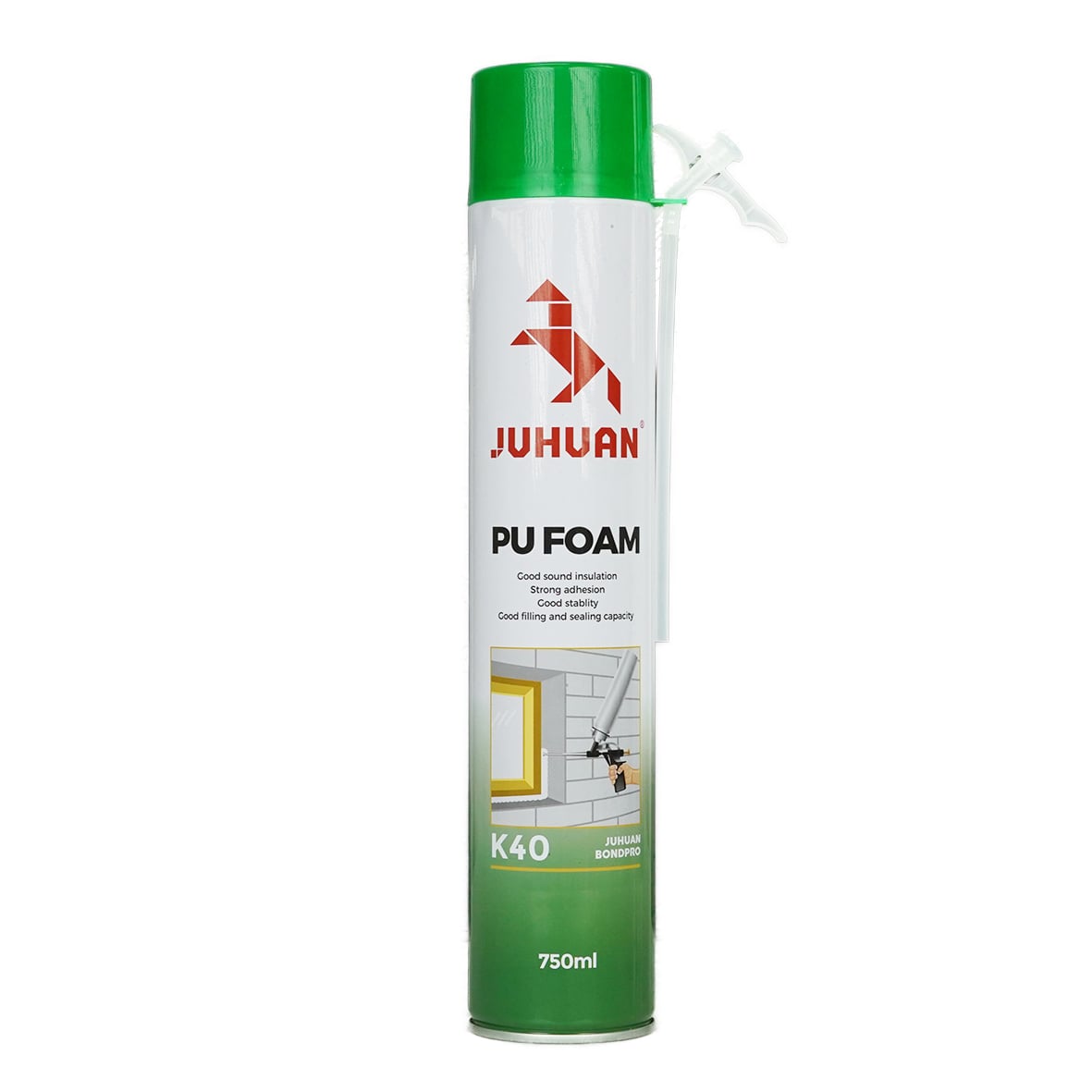
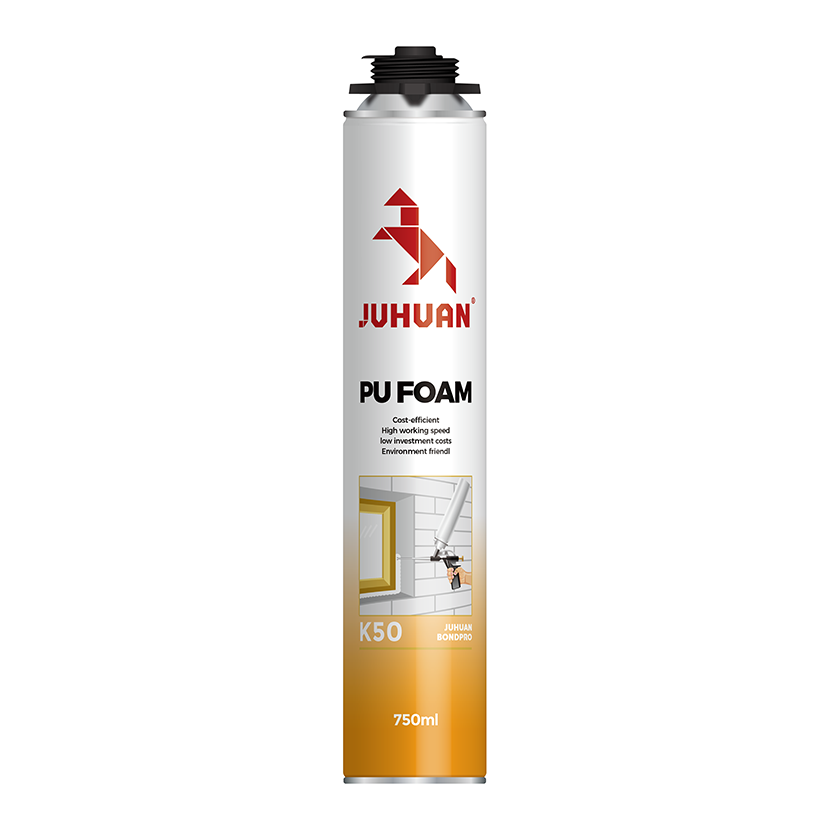
चाहे आपने कोई खिड़की लगाई हो, किसी पाइप के चारों ओर की जगह भरी हो, या कोई घरेलू इंसुलेशन का कार्य किया हो, आपने शायद पॉलीयूरेथेन फोम के सामने आने का अनुभव किया होगा। यह एक तरल पदार्थ है जो कैन से निकाले जाने पर फैलता है, खाली स्थानों को भरता है, ऊष्मा रोधन प्रदान करता है और वायुरोधी सील बनाता है। यह एक उत्कृष्ट उत्पाद है, क्योंकि यह बहुमुखी और सरल है। दुर्भाग्यवश, कार्बनिक रसायन से प्राप्त होने वाली अधिकांश सामग्रियों की तरह, मानक पॉलीयूरेथेन फोम ज्वलनशील होता है। निर्माण और समान क्षेत्रों में इसके उपयोग से एक बड़ी समस्या उत्पन्न होती है, क्योंकि यह पदार्थ प्रज्वलित और जल सकता है।
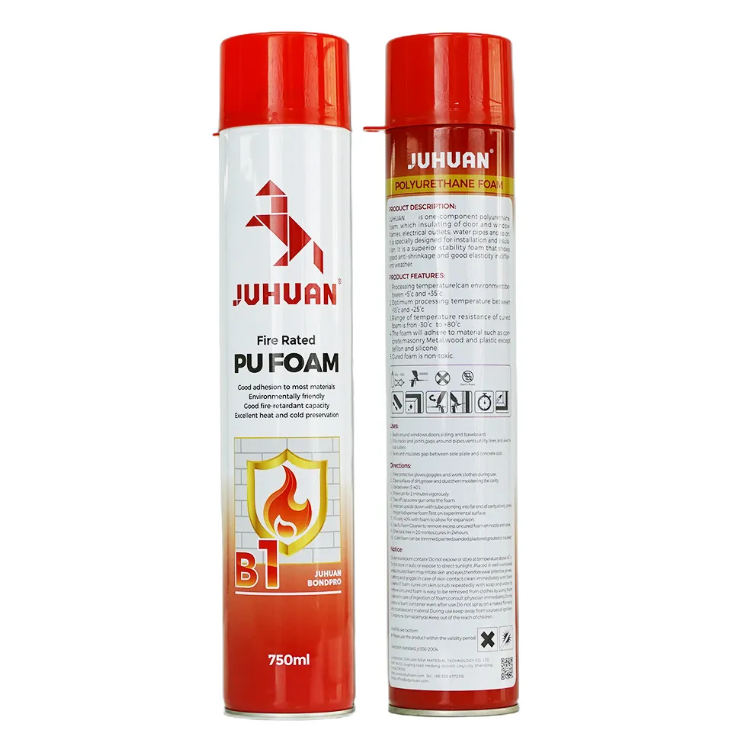
यहाँ, नवाचार रसायन विज्ञान से मिलता है। हम इस अत्यंत उपयोगी सामग्री को और सुरक्षित बनाने पर काम कर रहे हैं, ताकि यह ज्वलन का प्रतिरोध कर सके और आग के फैलने को धीमा कर सके। अच्छी खबर यह है कि पॉलीयूरेथेन फोम की अग्नि प्रतिरोधक क्षमता को काफी अधिक स्तर तक बढ़ाना पूर्णतः संभव है। वास्तव में, यह संभव है और निर्माण उत्पादों के पूरे स्पेक्ट्रम में 30 वर्षों के अनुभव वाले सबसे अनुभवी निर्माताओं में से एक, जैसे जूहुआन द्वारा पहले ही प्राप्त कर लिया गया है। जूहुआन ने पॉलीयूरेथेन फोम का उत्पादन किया है जो राष्ट्रीय ज्वलन प्रतिरोधक मानकों (B1 स्तर) के अनुपालन में है। अतः आइए जानें कि यह कैसे किया जाता है — कैन में मौजूद रसायन विज्ञान से लेकर निर्माण स्थल पर अनुशंसित सर्वोत्तम प्रथाओं तक।
सबसे पहले, यह समझना महत्वपूर्ण है कि सामान्य पॉलीयूरेथेन फोम इतनी आसानी से ज्वलनशील क्यों होता है। पॉलीयूरेथेन एक कार्बनिक बहुलक है। इसका अर्थ है कि इस बहुलक को बनाने वाली आणविक श्रृंखलाएँ कार्बन, हाइड्रोजन और ऑक्सीजन को निर्माण ब्लॉक के रूप में उपयोग करती हैं। ये तीनों तत्व लकड़ी, कागज़ और ईंधन के कई अन्य रूपों में पाए जाते हैं। जब कार्बनिक पदार्थों को पर्याप्त रूप से गर्म किया जाता है, तो वे टूट सकते हैं और ज्वलनशील गैसों को निकाल सकते हैं। ये गैसें प्रज्वलित होती हैं और आग को बनाए रखती हैं। सामान्य फोम अत्यधिक सुषिर होता है, जिसका अर्थ है कि यह आसानी से प्रज्वलित हो सकता है और तेज़ी से जल सकता है।
जब भवन निर्माण और निर्माण के किसी भी उपयोग की बात आती है, तो यह एक गंभीर चुनौती पैदा करता है। ऐसे भवन नियम हैं जो सामग्रियों के लिए अग्नि सुरक्षा नियमों के विशिष्ट अनुपालन को नियंत्रित करते हैं, जिन्हें कई स्थानों पर पालन करना आवश्यक है। इसीलिए आप किसी भी सामान्य उपलब्ध फोम का उपयोग दीवार के खोखले भाग या दरवाजे के फ्रेम में नहीं कर सकते। आपको एक ऐसे उत्पाद की आवश्यकता होती है जिसे आग के जोखिम को बाहर रखने के लिए विशेष रूप से डिज़ाइन किया गया हो। यही प्राथमिक कारण है जो अग्निरोधी (फायर रिटार्डेंट) सूत्रों के निर्माण की ओर ले जाता है, और यही कारण है कि पॉलीयूरेथेन फोम की ऊष्मा रोधन क्षमता और अतिरिक्त सुविधा का उपयोग किया जा सकता है। समाधान: अग्निरोधी रासायनिक पदार्थों का उपयोग
पॉलीयूरेथेन फोम की अग्नि प्रतिरोधक क्षमता को बढ़ाने की मुख्य विधि निर्माण प्रक्रिया के दौरान विशिष्ट रासायनिक पदार्थों—जिन्हें ज्वाला अवरोधक (फ्लेम रिटार्डेंट्स) कहा जाता है—को मिलाना है। ये रासायनिक पदार्थ फोम के 'रेसिपी' को आग से लड़ने में सहायता प्रदान करते हैं। ज्वाला अवरोधक फोम की दहन प्रक्रिया के विभिन्न पहलुओं को रासायनिक रूप से संशोधित करते हैं।
कुछ अग्निरोधी पदार्थ जलने के समय फोम के सामने की सतह पर एक कोयले की परत बनाने में सहायता करते हैं। यह परत उसके नीचे स्थित फोम को आग से बचाती है और उसे उन ज्वलनशील गैसों से इन्सुलेट करती है जो आग को बनाए रखती हैं। अन्य रसायन वास्तविक आग पर निशाना साधते हैं और लौ को बनाए रखने वाली रासायनिक प्रतिक्रियाओं में व्यवधान डालते हैं। कुछ रसायन तो ऊष्मा को अवशोषित कर सकते हैं और फोम के तापमान को प्रज्वलन तापमान से नीचे ला सकते हैं। विभिन्न अग्निरोधी रसायनों का चयन और संयोजन करके, रसायनज्ञ पॉलीयूरेथेन फोम का ऐसा सूत्र तैयार कर सकते हैं जो प्रज्वलन के प्रति प्रतिरोधी हो और धीमी गति से जले। यह एक जटिल विज्ञान है, और यहीं उस निर्माता के विशेषज्ञता का महत्व आता है जिसका अनुसंधान एवं विकास (R&D) पर मजबूत ध्यान केंद्रित हो।
फोम अपने स्वयं के दावों के आधार पर अग्नि-प्रतिरोधी होने का दावा नहीं कर सकते हैं। ऐसा दावा करने के लिए, उन्हें मानकीकृत परीक्षण से गुजरना आवश्यक है। प्रत्येक देश और क्षेत्र के अपने-अपने परीक्षण और वर्गीकरण प्रणाली हैं। चीन में, भवन सामग्री के लिए प्राथमिक मापदंडों में से एक B1 वर्गीकरण है। यह उन सामग्रियों के लिए एक राष्ट्रीय वर्गीकरण है जिनमें ज्वाला-रोधी गुण होते हैं। उदाहरण के लिए, जूहुआन का अग्नि-रोधी पॉलीयूरेथेन फोम B1 प्रमाणित है, जिसका अर्थ है कि इसके लिए व्यापक परीक्षण किए गए हैं और इसने आग के संपर्क में आने पर अपने व्यवहार से संबंधित विभिन्न मानदंडों को पूरा किया है।
जिन फोम्स ने B1 परीक्षण पास किया है, वे आमतौर पर यह प्रदर्शित कर चुके हैं कि उन्हें जलाना कठिन है, लौ के फैलने की सीमित क्षमता है, और ज्वलन स्रोत को हटाए जाने के बाद वे स्वतः बुझ सकते हैं। यह निर्माताओं और गृह मालिकों को आश्वासन प्रदान करता है कि वे ऐसी सामग्री का उपयोग कर रहे हैं जो आग के प्रस्फोट और उसके फैलाव में कोई महत्वपूर्ण योगदान नहीं देगी। अन्य अंतर्राष्ट्रीय मानदंड भी इसी तरह का कार्य करते हैं, जब कोई उत्पाद यूरोपीय प्रणाली के वर्ग B या C मानकों में से किसी एक के अनुसार प्रमाणित किया जाता है, या संयुक्त राज्य अमेरिका के ASTM मानकों में से किसी एक के अनुसार प्रमाणित किया जाता है। ऐसे मामलों में, उत्पाद की अग्नि-प्रतिरोधक क्षमता की पुष्टि किसी स्वतंत्र मूल्यांकनकर्ता द्वारा की गई है।
यह केवल अग्निरोधी योजकों को मिलाने जैसा आसान नहीं है। प्रत्येक फोम सूत्रीकरण की सावधानीपूर्ण गणना की जानी चाहिए, ताकि अग्निरोधी योजक फोम के अन्य महत्वपूर्ण गुणों—जैसे पूर्ण रूप से फैलने की आवश्यकता, सतहों के साथ चिपकने की क्षमता, ऊष्मा रोधन करने की क्षमता और वर्षों तक समग्र रूप से टिकाऊ होने की क्षमता—को समाप्त न करें। फोम को स्थापना करने वाले व्यक्तियों के लिए उपयोग करने में सुरक्षित होना चाहिए और घरों के भीतर उपयोग करने में भी सुरक्षित होना चाहिए, बिना किसी हानिकारक गैस या विषाक्त पदार्थों के उत्सर्जन के।
ऐसे अनुभव के साथ एक निर्माता का उदाहरण जुहुआन है, जिसने सुरक्षा और प्रदर्शन के कारकों को संतुलित करने में दशकों बिताए हैं। निरंतर सुधार, डिज़ाइन, विकास और रसायन विज्ञान की गतिकी एवं सूत्रीकरण की व्यापक समझ के परिणामस्वरूप, जुहुआन अग्निरोधी पॉलीयूरेथेन फोम के रूप में एक ऊष्मा रोधक और सीलेंट के रूप में अनुपालन-संगत अनुकूलित प्रदर्शन स्थापित करने में सक्षम है। जुहुआन ने इस सूत्रीकरण में विरोधाभासी मुद्दों को बनाए रखने और हल करने के लिए ऐसे कारकों के संतुलन पर केंद्रित किया है।
अग्नि-रोधी पॉलीउरेथेन फोम के प्रभावी होने के लिए, इसका आवेदन सही ढंग से किया जाना चाहिए। यदि कैन का उपयोग कमरे के तापमान से नीचे किया जाता है, तो फोम की स्थिरता और विस्तार प्रभावित होगा। इसके अतिरिक्त, यदि सतहों पर कोई नमी मौजूद है, और वे साफ़, शुष्क या धूल और वसा से मुक्त नहीं हैं, तो फोम सतहों के साथ उचित रूप से चिपक नहीं पाएगा।
इसके अतिरिक्त, फोम को उचित गहराई तक लगाया जाना चाहिए। गहरी दरारों के लिए, फोम को परतों में लगाया जाना चाहिए, जिसमें प्रत्येक परत को अगली परत लगाने से पहले पूरी तरह से सेट होने दिया जाए। सेटिंग (क्यूरिंग) आवश्यक है, क्योंकि यह फोम के भौतिक गुणों और अग्नि प्रतिरोधकता को प्रभावित करती है। इसके अतिरिक्त, ध्यान रखें कि अंततः दरार को काटा जाना होगा और फोम की सतह की कार्बनी परत (चार लेयर) पर अतिरिक्त कार्य करने की आवश्यकता होगी। निर्माता के सुरक्षा और प्रदर्शन के लक्ष्यों को पूरा करने के लिए, हमेशा उनके निर्देशों का पालन करें।
कई निर्माण स्थितियाँ ऐसी होती हैं जहाँ केवल एक घटक ही अग्नि-प्रतिरोधी फोम होता है। उदाहरण के लिए, जब फोम का उपयोग खिड़कियों या दरवाज़ों के लिए किया जाता है, तो इसका उपयोग अन्य अग्नि-प्रतिरोधी सामग्रियों, जैसे खनिज ऊन या आंतरिक सूजन रोकने वाली पट्टियों के साथ किया जाता है। बड़ी खाली जगहों के लिए खनिज ऊन का उपयोग किया जाता है, जबकि उसके चारों ओर की मुहर के लिए फोम का उपयोग किया जाता है। आंतरिक सूजन रोकने वाली पट्टियाँ, जो ऊष्मा सक्रियित होती हैं और फैलती हैं, दरवाज़े या खिड़की के फ्रेम और दीवार के बीच की जगह को भरने के लिए उपयोग की जा सकती हैं, ताकि थोड़ी अतिरिक्त सुरक्षा प्रदान की जा सके।
सबसे महत्वपूर्ण बात विशिष्ट उपयोग के लिए भवन नियमों के अनुपालन की आवश्यकता है। उदाहरण के लिए, एक दर्जा-वाली अग्नि-रोधी दीवार असेंबली में, विशिष्ट सामग्रियों का निर्धारण किया गया है और विशिष्ट विधियों का पालन करना आवश्यक है। यहीं पर विशिष्ट असेंबली के अनुरूप प्रमाणित अग्नि-प्रतिरोधी पॉलीयूरेथेन फोम के उपयोग का महत्वपूर्ण स्थान है। यह एकमात्र तरीका है जिससे यह सुनिश्चित किया जा सकता है कि असेंबली का प्रत्येक घटक आवश्यक अग्नि प्रतिरोध प्रदान करने के लिए अपने अभिप्रेत ढंग से कार्य करे।
पॉलीयूरेथेन फोम सामग्रियों की अग्नि प्रतिरोधक क्षमता अंततः आपके खरीदे गए उत्पाद की गुणवत्ता और विश्वसनीयता पर निर्भर करती है। गुणवत्ता की गारंटी एक ऐसे निर्माता से मिलती है, जिसकी सकारात्मक प्रतिष्ठा हो और जिसके पास साबित किए गए वर्षों का अनुभव हो। विश्वास उन निर्माताओं के साथ बनता है, जो शोध करते हैं, फिर उस शोध को एक नई स्वचालित उत्पादन लाइन में लागू करते हैं और जिनकी गुणवत्ता नियंत्रण प्रक्रिया उत्पाद परीक्षण के माध्यम से और अधिक मजबूत हो जाती है।
जूहुआन राष्ट्रीय मानकों को पूरा करने वाली अपनी अग्नि रोधी सामग्रियों के साथ गुणवत्ता के प्रति प्रतिबद्ध है। उनके दशकों के अनुभव के कारण वे एक ऐसा उत्पाद प्रदान कर सकते हैं, जो दोनों ही दृष्टिकोणों से प्रभावी और सुरक्षित हो। वे गुणवत्ता नियंत्रण, अग्नि रोधी उत्पादों और सुरक्षा मानकों को पूरा करने के लिए प्रत्येक उत्पाद के लिए उनके सूत्रीकरण को आदर्श बनाने के लिए अपने संसाधनों को समर्पित करते हैं। जब सुरक्षा एक मुद्दा हो, तो एक विश्वसनीय निर्माता का चयन करना अत्यावश्यक होता है।
अंततः, पॉलीयूरेथेन फोम की अग्नि प्रतिरोधक क्षमता में सुधार करना यह दर्शाता है कि कैसे सामग्री विज्ञान दुनिया को लगातार सुरक्षित बनाए रखने में योगदान दे रहा है। यह यह भी प्रदर्शित करता है कि घरों और भवनों पर लागू किए जाने पर सुरक्षात्मक अग्नि प्रतिरोधक पॉलीयूरेथेन फोम कितना प्रभावी हो सकता है, जिससे इमारत में रहने वाले लोगों के जीवन की रक्षा की जा सकती है। इसमें चतुर रसायन विज्ञान, व्यापक परीक्षण और सटीक इंजीनियरिंग का उपयोग करके एक ऐसी फोम सामग्री प्रदान की जाती है, जिसकी उपयोगिता अद्वितीय है। फोम की सुरक्षात्मक क्षमताएँ दीवारों और फ्रेम संरचनाओं के अंदर छिपी रहती हैं, जो आग की आपात स्थिति में महत्वपूर्ण समय प्रदान करती हैं।
 ताज़ा समाचार
2026-07-01
2026-06-18
2026-06-04
2026-05-16
2026-05-06
2026-04-29
कॉपीराइट © 2025 शेंडॉग जुहुआन न्यू मटेरियल टेक्नोलॉजी कं., लिमिटेड के सभी अधिकार सुरक्षित हैं - गोपनीयता नीति
 EN
EN