Keeping the weather outside where it belongs is a constant battle for any building, and windows are often the front line. A perfectly installed window can still fail if the material sealing it to the frame is not up to the task. Leaks, drafts, and energy loss frequently trace back to one weak point: the sealant. Choosing the right product is not just a detail; it's a fundamental decision that impacts a building's comfort, efficiency, and longevity. For professionals and homeowners alike, understanding what makes a sealant truly effective for window waterproofing is key. The goal is to find a product that doesn't just fill a gap today but forms a durable, flexible, and impermeable bond that stands the test of time and elements. This involves looking beyond basic specifications to the core performance features that guarantee success in real world conditions.
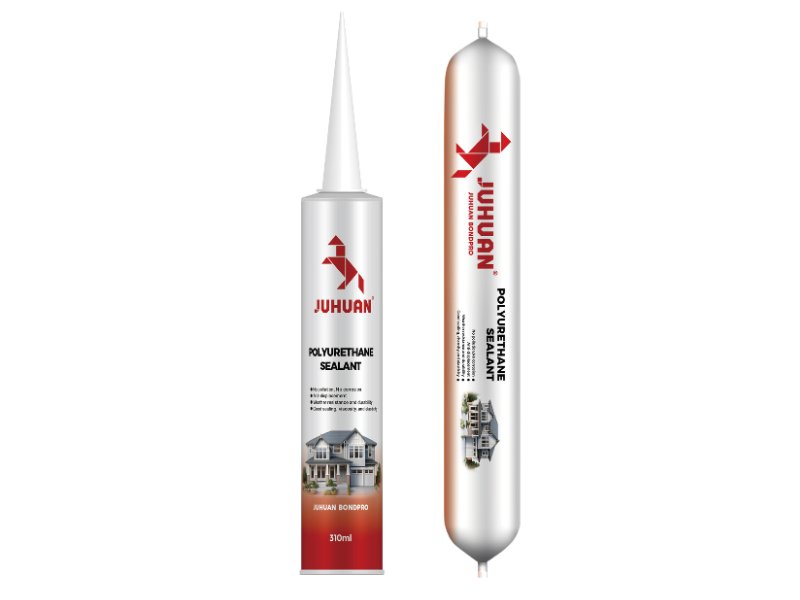
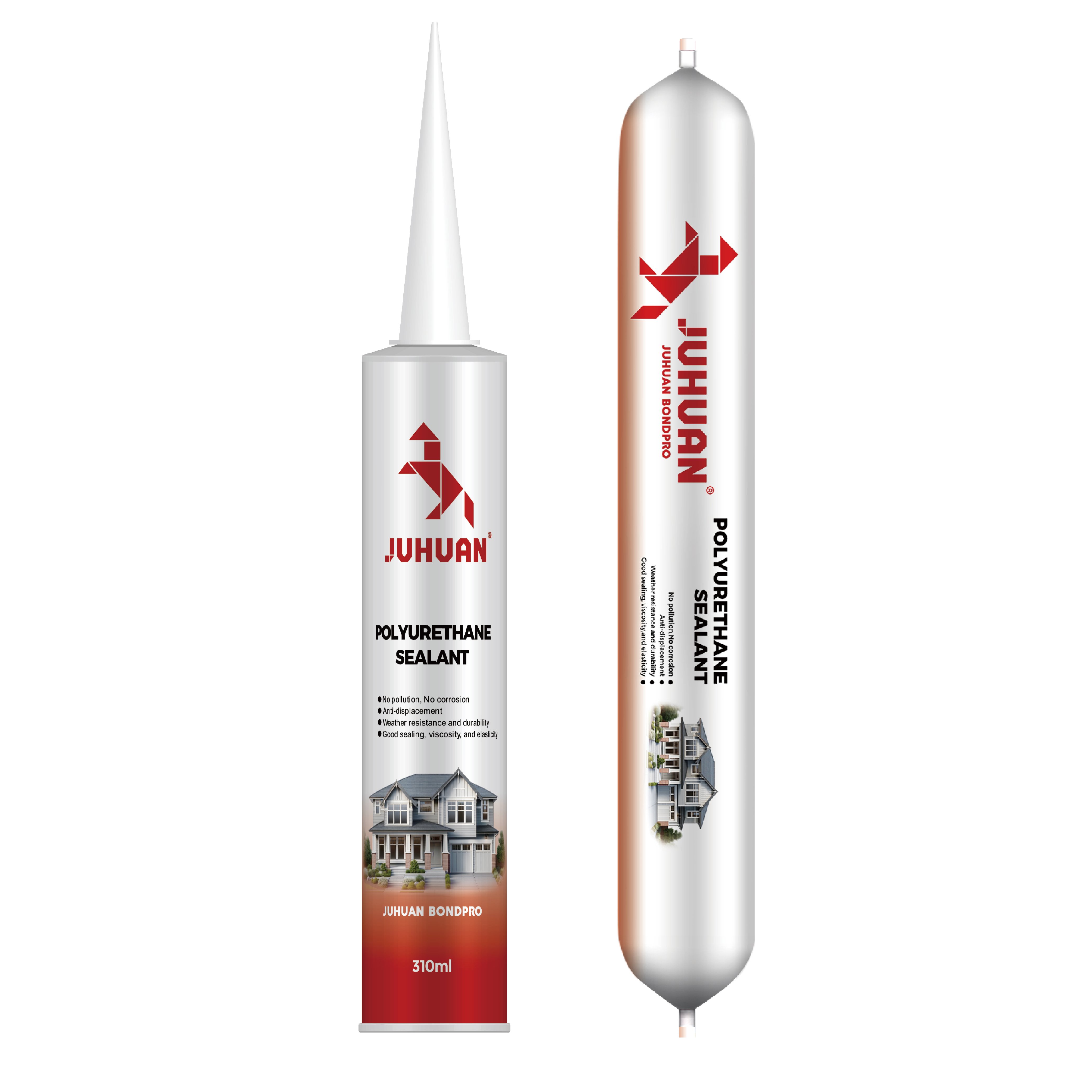
Windows face a relentless onslaught from the environment. The primary job of any window sealant is to act as a steadfast barrier against these forces. The most critical feature is exceptional weather resistance. This means the sealant must not degrade under constant exposure to ultraviolet sunlight. Many non silicone materials will crack, become brittle, and lose their adhesion after a few seasons in the sun. A superior glass sealant for window waterproofing will have UV resistant formulations that prevent this breakdown, maintaining its integrity and appearance for years. Furthermore, it must handle extreme temperature swings without issue. From the deep freeze of winter to the scorching heat of summer, the sealant needs to remain flexible, expanding and contracting with the window frame and glass without pulling away or developing cracks. This thermal stability is non negotiable for a permanent waterproof seal.
A sealant is only as good as its connection to the surfaces it touches. Therefore, outstanding adhesion is the cornerstone of effective waterproofing. The product must form a strong, immediate grip on both the glass and the window frame material, which could be vinyl, aluminum, wood, or composite. This bond must be resilient, meaning it resists peeling or detaching when stressed. Equally important is long term elasticity. Unlike rigid fillers, a high performance sealant behaves like a strong, durable rubber band. It must accommodate movement caused by thermal expansion, building settlement, and wind pressure. If the sealant is too rigid, movement will cause it to crack. If it is too weak, it will tear. The ideal product offers a perfect balance, stretching and compressing to absorb movement while constantly maintaining a watertight seal. This dynamic performance is what separates a temporary fix from a permanent solution.
For a sealing job to be worthwhile, it needs to last. Durability and resistance to mold are key indicators of a long service life. In humid climates, the constant moisture around windows can encourage unsightly and unhealthy mold and mildew growth on some sealants. Quality formulations include biocides that resist such fungal growth, keeping the seal line clean and black stain free. From an installer's perspective, the practical aspects of application are vital. The sealant should have a consistency that is easy to gun and tool, allowing for smooth, clean beads without excessive sagging or slump. A reasonable tack free time gives workers time to perfect the finish before the surface skins over. While professional results depend on proper technique, the right product makes achieving them significantly easier, faster, and more reliable.
Selecting the best sealant starts with compatibility. Always verify that the product is specifically recommended for use on glass and the particular framing material of the window. Using the wrong type can lead to adhesion failure or even damage to the frame. Preparation is the other half of the equation. No sealant, no matter how advanced, can adhere properly to a dirty, oily, or dusty surface. Taking the time to thoroughly clean the joint, removing all old sealant residue, and ensuring the area is completely dry is absolutely essential for success. The joint should be designed and, if deep enough, backed with foam rod to ensure the sealant cures properly in the ideal shape. Finally, opting for a sealant from a reputable manufacturer known for consistent quality and performance testing provides an extra layer of assurance. These trusted products deliver the predictable results that professionals count on to protect their work and their reputation.
In conclusion, waterproofing windows is a critical task that hinges on selecting a sealant with the right combination of features. It requires a product engineered to fight UV damage, withstand temperature extremes, adhere tenaciously to multiple surfaces, and move flexibly with the building. By prioritizing weather resistance, elastic adhesion, mold resistance, and ease of application, you can ensure a durable and effective seal. Remember, the longevity of the waterproofing barrier depends equally on the quality of the product and the care taken during its installation. Investing in a premium sealant and applying it correctly is a straightforward strategy to enhance building performance, prevent costly water damage, and secure lasting protection against the elements.
 Hot News
2026-07-01
2026-06-18
2026-06-04
2026-05-16
2026-05-06
2026-04-29
Copyright © 2025 by Shandong Juhuan New Material Technology Co., Ltd. - Privacy policy
 EN
EN