When it comes to outdoor construction, repair, or maintenance, few things are as critical—and yet as often overlooked—as the choice of sealant. The material you pick to seal those joints, gaps, and seams is the silent guardian of a structure, standing between the interior and the relentless forces of nature. From the blistering heat of summer sun to the driving rain of winter storms, and the constant expansion and contraction of materials, the right sealant makes all the difference between long-lasting durability and a recurring maintenance headache. This is where the unique properties of silicone sealants truly shine, offering a combination of flexibility, weather resistance, and longevity that is hard to match.
For professionals and businesses involved in international projects, making an informed choice is even more vital. The demands can vary greatly depending on whether you are working on a coastal resort in Southeast Asia, a residential complex in the Middle East, or an infrastructure project in Eastern Europe. Selecting a product that is not only performance-driven but also backed by reliable manufacturing and supply chain efficiency is a key part of project planning. Modern manufacturers understand this global need, with many focusing on robust production systems and agile logistics to ensure consistent quality and timely delivery to job sites worldwide. This global perspective ensures that you have access to the right materials, no matter where your project is located.
Before diving into product types, it's essential to understand the challenges specific to the outdoors. A sealant in an exterior application isn't just filling a gap; it's performing as a dynamic, flexible barrier under constant stress. The primary enemies are ultraviolet (UV) radiation from the sun, wide temperature fluctuations, moisture in all its forms (rain, humidity, condensation), and the natural movement of building materials.
UV exposure is particularly degrading for many materials, causing them to become brittle, crack, and lose adhesion over time. Temperature changes cause substrates like metal, glass, and concrete to expand and contract, meaning the sealant must have excellent elasticity to stretch and compress repeatedly without failing. Furthermore, prolonged exposure to rain and humidity can lead to mold growth or water infiltration if the sealant isn't perfectly watertight. A high-quality silicone sealant is specifically engineered to triumph over these conditions. Its inherent chemical structure provides outstanding resistance to UV rays and ozone, preventing the chalking and degradation seen in other materials. Furthermore, silicones maintain remarkable elasticity across an extremely wide service temperature range, from freezing cold to intense heat, allowing them to accommodate joint movement year after year.
Not all silicone sealants are created equal. Different formulations are designed to address specific challenges and substrates. Understanding these common types will help you narrow down the best product for your specific outdoor task.
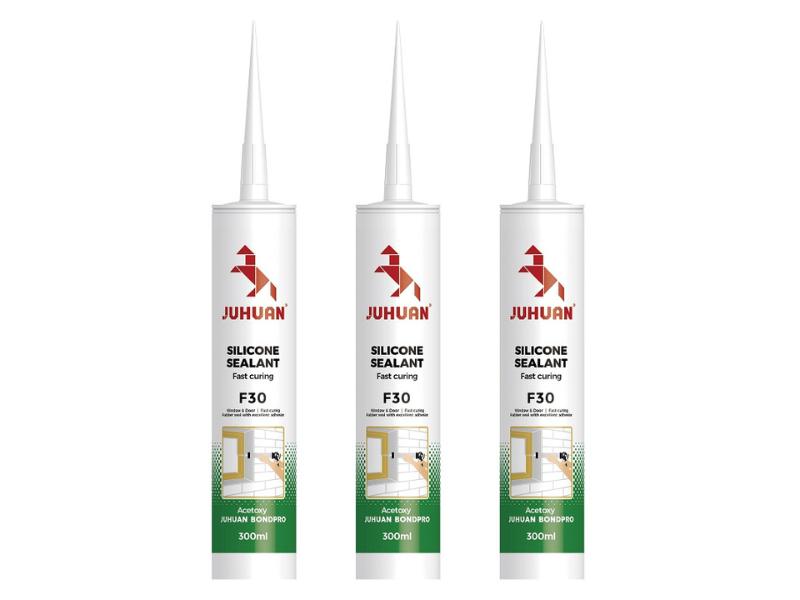
Acetoxy Cure (Acidic) Silicone Sealants: These are among the most common and recognizable types, often known for their sharp, vinegary smell during curing. They cure by reacting with atmospheric moisture, releasing acetic acid. Their key advantage is excellent adhesion to a wide variety of non-porous surfaces like glass, ceramics, and most metals. They typically offer good overall weather resistance and are a general-purpose choice for many exterior sealing jobs, such as around windows, doors, and simple flashing. However, the acidic cure can corrode certain metals (like copper or brass) and may not be suitable for sensitive substrates like concrete or certain plastics.
Neutral Cure Silicone Sealants: Developed to solve the corrosion and odor issues of acetoxy types, neutral cure silicones release non-acidic byproducts, such as alcohol or oxime, during curing. This makes them versatile and safer for use on a broader range of materials, including sensitive metals (anodized aluminum, galvanized steel), marble, concrete, and plastics. They are often described as low-odor or odor-free, which is a significant benefit for occupied spaces or enclosed areas during application. A high-quality neutral silicone sealant is an excellent all-rounder for demanding outdoor applications, offering robust adhesion, superior flexibility (often with a low modulus for high movement joints), and excellent long-term weather resistance without the risk of damaging the substrate.
Structural Glazing & High-Performance Sealants: This category represents the top tier of silicone technology for critical exterior applications. These are typically high-strength, high-modulus, or engineered modulus sealants designed for structural or semi-structural roles. A prime example is their use in structural glazing systems, where the silicone bond is responsible for holding glass or panels in place against wind loads and gravity. They offer exceptional durability, resistance to extreme environmental stress, and are formulated to handle the highest levels of joint movement. These products are essential for curtain walls, expansive glass facades, and other high-performance building envelopes.
Specialty Formulations: Sanitary, Paintable, and More: Beyond the main categories, specialty silicones address niche outdoor needs. Sanitary grade silicones incorporate biocides to resist mold and mildew growth, making them ideal for humid outdoor areas like pool surrounds, tiled patio kitchens, or exterior bathroom vents. While most silicones form a non-stick surface that rejects paint, some specialized paintable silicone sealants are formulated to accept coatings, useful for situations where the sealant must blend perfectly with a painted exterior surface.
Choosing between these types requires considering several project-specific factors. The first and most important step is to identify the primary materials you need to adhere to. Is it glass-to-metal? Concrete-to-brick? Plastic trim to siding? Always check the manufacturer's data sheet for compatibility lists. For porous or mineral-based substrates like concrete or stone, a primer is often recommended—or even required—to ensure a strong, lasting bond.
Next, assess the expected amount of joint movement. This is calculated based on the coefficient of thermal expansion of the materials and the temperature range at the site. A deck expansion joint or a seal between long runs of aluminum cladding will experience significant movement and requires a low-modulus, high-elongation sealant. For more static joints, a standard sealant may suffice. Don't forget environmental exposure: coastal projects demand superior resistance to salt spray; sunny, high-UV locations require sealants with maximum UV stability; and areas with extreme annual temperature swings need a product with a wide operational temperature range.
The best silicone sealant in the world will fail if applied incorrectly. Proper installation is not just a recommendation; it's a requirement for achieving the promised performance. It always begins with surface preparation. The joint must be clean, dry, and free of dust, oil, grease, rust, and old, failing sealant. Use appropriate cleaners and tools like scrapers and brushes. For optimal performance and to control the sealant's depth and shape, joints should be properly designed and backed with a compatible compressible backer rod. This creates the ideal hourglass cross-section, allowing the sealant to adhere to the sides and stretch/compress efficiently.
During application, cut the nozzle at a 45-degree angle to the width of the joint and apply in a steady, continuous bead. The sealant should be tooled immediately after application using a smoothing tool or a finger dipped in soapy water to press it into the joint, ensure contact with both sides, and create a smooth, professional finish. Finally, respect the cure time. While the surface may skin over in minutes or hours, full internal curing can take days, depending on temperature and humidity. Avoid stressing the joint until the sealant is fully cured.
In conclusion, navigating the world of outdoor silicone sealants is about matching the right product technology to the specific challenges of your project. From the versatile neutral-cure sealants for general use to the high-strength formulations for structural applications, understanding these options empowers you to make confident, long-lasting decisions. By combining this knowledge with meticulous surface preparation and application techniques, you ensure that the seals you create today will provide reliable, weather-tight performance for many years to come, safeguarding the integrity and beauty of any outdoor structure.
 Hot News
2026-07-01
2026-06-18
2026-06-04
2026-05-16
2026-05-06
2026-04-29
Copyright © 2025 by Shandong Juhuan New Material Technology Co., Ltd. - Privacy policy
 EN
EN