Details are crucial to the success of construction projects big and small; massive bridges and sprawling commercial complexes down to simple home renovations, the devil is in the details as they say. Of these details, the sealants being use are critical to the longevity and safety of the structure, yet they are often overlooked. Of the sealants available, Polyurethane Sealant for Construction is the most recognizable and celebrated of construction sealants. Its versatility, coupled with its blend of durability and weather resistance ensure that it is very likely the best construction sealant available. This product does the engineering and construction industry a great service, quietly and effectively doing its job protecting the integrity and longevity of structures year in and year out. Streamlining the product use is a better understanding of its most distinguishing properties, Refining the product use for projects and construction jobs is a better understanding of its most distinguishing properties, its numerous technical characteristics, and its benefits and applications in the construction world. With a better understanding of these properties, the construction professional is more likely to seal the gaps and joints in a structure and more likely to ensure that the Sealant remains unsealed for a long time.
What is polyurethane sealant? It is specifically a type of elastomeric sealant. It is a special kind of glue that stays flexible after curing. It is different from epoxy, which is a rigid material, and some caulks that are brittle. Polyurethane sealant moves with the structure, unlike building materials that are rigid. It absorbs building movement without breaking. It is durable with a rubbery consistant, and cures by adding moisture. Sealants are then separated into high and low modulus categories. For example, low modulus sealants with high elasticity are great for joints that move a lot. General wear and tear is kept at bay by the innate toughness that polyurethane gives it.
One of the big reasons why polyurethane sealant is so popular is its versatility. This is not just the ability of the material to be soft. This sealant has a characteristic of being able to stretch and compress while still maintaining its qualities and not suffering damage. This can be measured and is termed as movement capability rating. A higher quality sealant is able to accommodate movement joints to about plus twenty to minus twenty five percent of the width of the joint. For example, take a look at the joint between concrete panels of a sky scrapper. During the day, the building is sunny on one side and the other is cool and shady, the building is thermally cycled. Then, all thermal profiles of the building cool down at the same time during the night. This causes the sealant to be stressed in the joint. A rigid sealant in this situation would crack easily, but polyurethane would stretch and compress, maintaining its form. This is the reason why polyurethane sealant is used in construction for the joints in bridges, parking structures, and large buildings. If the sealant has low modulus the joints substrates, like window frames and cladding, will not be damaged.
A sealant has one chief purpose, and that's protection from the different weather conditions. Sealants provide protection from different weather conditions, and sealants are protective because of their flawless versatility when it comes to different environmental factors. Sealants aren't generally protective, but sealants are protective when it comes to long term exposures to UV radiation from the sun. UV radiation from the sun causes sealants to chalk, degrade, and become brittle. Sealants also withstand extreme weather, and sealants withstand winter cold and summer heat, but sealants do not crack or melt. In addition, sealants are also very protective from moisture, rain, and even prolonged exposure to water. Sealants are protective when it comes to water too, and sealants are good choices for waterproofing tunnels, swimming pools, and foundations. Sealants protect from the factors for a long time. Durability saves the time and money from getting maintenance. The protection factors sealants provide. sealants protect structures for decades, and sealants are honest money saving solutions. Also, the sealants remain to look professional.
When it comes to sealants, bond strength is key. Polyurethane sealants are among the best for adhesion to construction materials and are some of the few that don't require primer for adhesion to many substrates. With polyurethanes, you get a strong and permanent bond to concrete, masonry, aluminum and steel, wood, glass, and many plastics. This universal adhesion makes construction easier and is much less error prone. For example, when closing the gap between an aluminum window frame and a concrete wall, you want the sealant to stick well to the metal as well as the porous concrete. Polyurethane makes this easy and provides a continuous watertight seal across different materials. This durable bond is even resistant to mechanical movement and thermal cycling of the joint so the seal will never fail.
Protecting the environment is a primary purpose for most polyurethane sealant applications. Once cured into a nonporous elastomeric seal, polyurethane is waterproof, and it forms a barrier to water ingress. Construction defects lead to water ingress and numerous forms of construction damage. These include corroding steel reinforcements, rotting wood, mold growth, and the deterioration of insulation. Polyurethane sealant protects the structural integrity and indoor air quality of the building by sealing joints and gaps so water cannot enter the building envelope. Polyurethane sealant is used extensively in below grade applications such as water tanks and tunnels and is also used in basements. It also protects the environment by being a barrier to dust, air drafts, and noise, helping to make the building more comfortable and energy efficient and reducing energy costs. By reducing air leakage, polyurethane sealant reduces the load placed on heating and ventilation systems, which also lowers energy consumption costs.
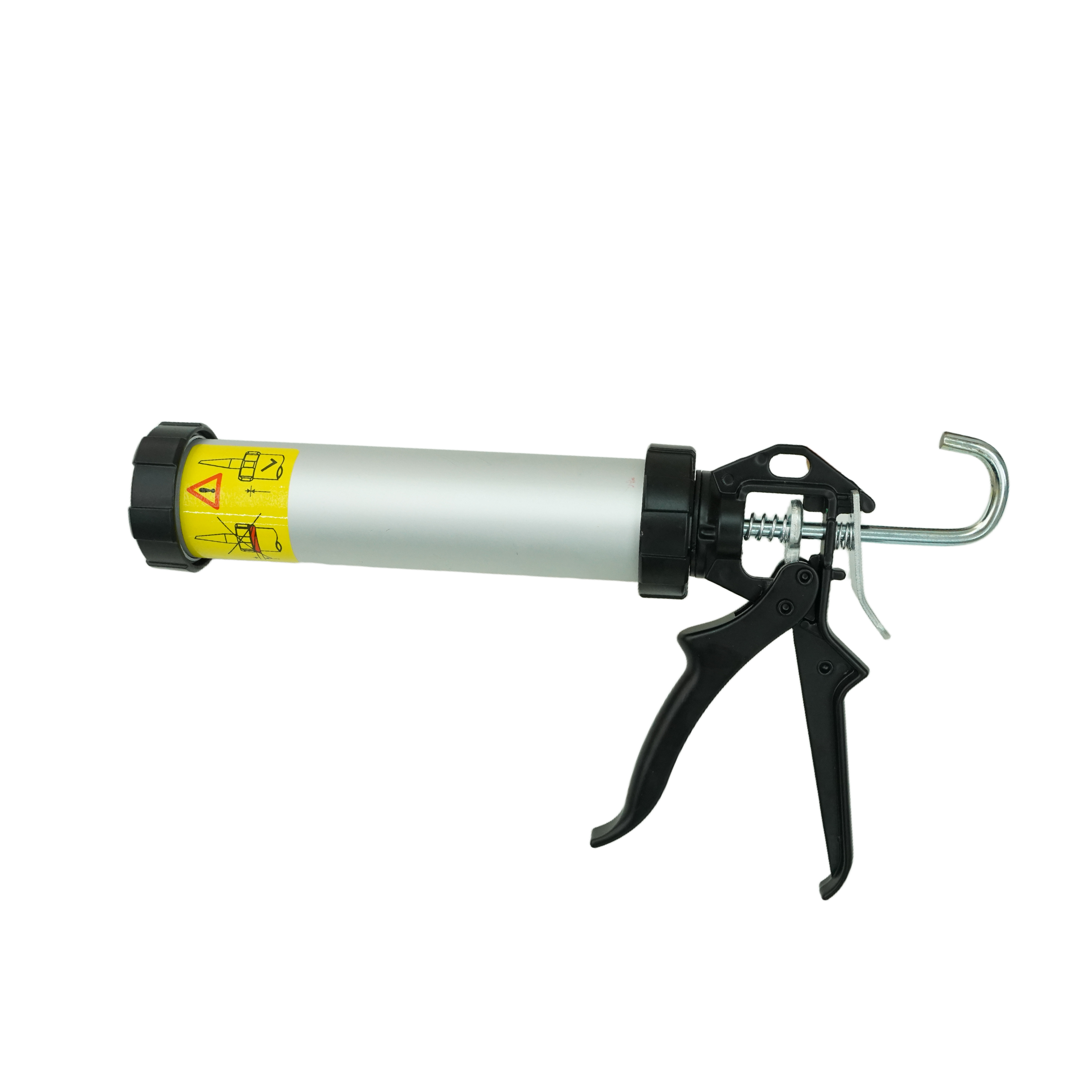
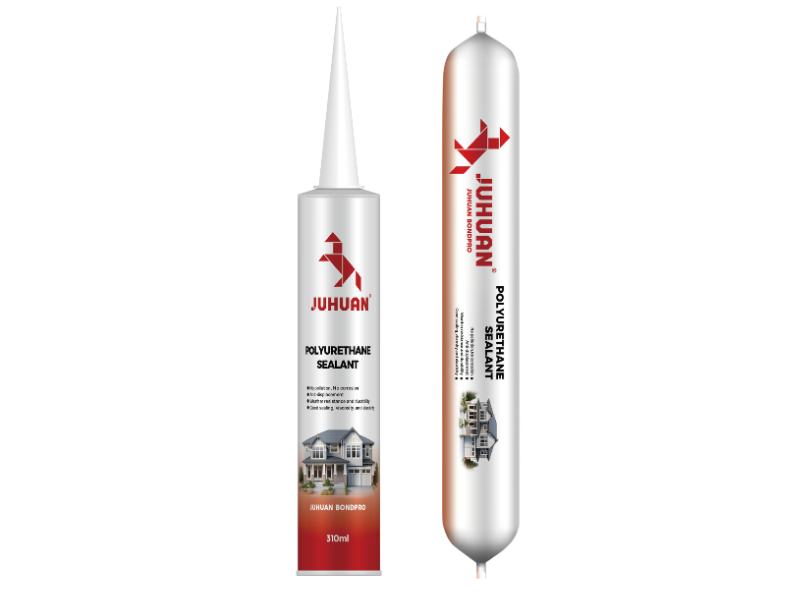
Polyurethane sealant is easy to use and is appreciated by contractors for its quick and seamless application. It comes in sausage-shaped cartridges that fit into standard caulking guns and provide a consistent stream of adhesive without creating messes. Polyurethane sealants are non-sagging, meaning they can be applied to vertical and overhead surfaces without dripping, ensuring the job remains clean and efficient. Sealants can be tooled smooth, allowing them to be shaped with a finger before the sealant cures to create a flawless and professional finish. The same basic sealant can serve a variety of uses. Polyurethane sealant can seal expansion joints in concrete pavements, waterproof subway tunnels, weather seal glass caulking, and window caulking in residential. Sealants are most commonly available in the colors black, white, and gray, allowing them to blend with the colors of surrounding materials. The construction industry highly values the versatility of sealants and ease of use.
Thinking about selecting the right Polyurethane Sealant for your project? It is a multi-step process and has to be done with the utmost consideration and care. One of the first things to check is the modulus. Modulus is the amount of stress the sealant will put on meshwork when pulled apart. When working with joints that have lots of movement and for the more sensitive sets with a sealant low movement is even more beneficial. Then, think of the performance properties. Things like the amount of movement that is; accommodates, no priming needed, and any required certifications for specific uses such as in contact with drinkable water. Other things like the environmental factors also come into play like in what temperature will the seal be installed in and the temperature for which the seal will have for expected Service. One of the best things to do is read the technical data sheet of the product so it is a good fit for the project. Trustworthy companies will give very detailed descriptions of the sealant, even things like shelf life, times needed to cure, and how to apply it, etc. An example for such very good descriptions would be a sealant with a 12 month shelf life that is stored under 25 degrees C. Attention to detail will help ensure the sealant will function correctly and for a long period of time.
With outstanding attributes such as flexibility, weather resistance, adhesion, and waterproofing capabilities, Polyurethane Sealant for Construction reigns supreme for many construction-related sealant functions. Polyurethane Sealant for Construction's ability to stand the test of time while defending the structure from the elements and other outside forces that could compromise a structure's performance and usefulness simply defeats the competition in construction sealant performance. Polyurethane Sealant for Construction accomplishes all of the aforementioned construction sealant and waterproofing functions with proven construction-related sealant performance, whether it is sealing the concrete joint of a high rise, waterproofing a tunnel or other critical infrastructure, or creating a weather-tight seal around construction-related windows. Builders, architects, and homeowners who choose construction sealants with the best performance attributes from a construction project sealant industry leader can depend upon Polyurethane Sealant for Construction for long-term safety and durability. Not only is Polyurethane Sealant for Construction a high-performance product with unmatched performance attributes, but it is also a low-cost solution to high-cost performance issues construction-related products typically present.
 Hot News
2026-07-01
2026-06-18
2026-06-04
2026-05-16
2026-05-06
2026-04-29
Copyright © 2025 by Shandong Juhuan New Material Technology Co., Ltd. - Privacy policy
 EN
EN