If you've done any kind of sealing work on a window, mirror, or an aquarium, you've probably used a tube of sealant before. They come in cylindrical shapes and fit into any caulking gun. But have you ever wondered about the tube itself? The size of the tube can greatly impact how much work you can do in one go. Be it a DIYer attempting a home repair, or a professional on a large construction site.
Choosing the right size is all about matching the tool to the job. It would be awkward and wasteful to use a huge tube for a tiny bathroom mirror repair. Conversely, a small tube would be incredibly inefficient for sealing a whole row of windows, as you’d continuously have to stop and change cartridges. When you understand the standard sizes available, you can buy the right amount, reduce waste, and work more effectively. Industry leaders, such as Juhuan, have decades of experience, and with their complete range of sealant products, they cater to the weekend warrior and the enormous contractor. Let’s simplify the standard sizes you’ll encounter and discover what size is best for your next project.
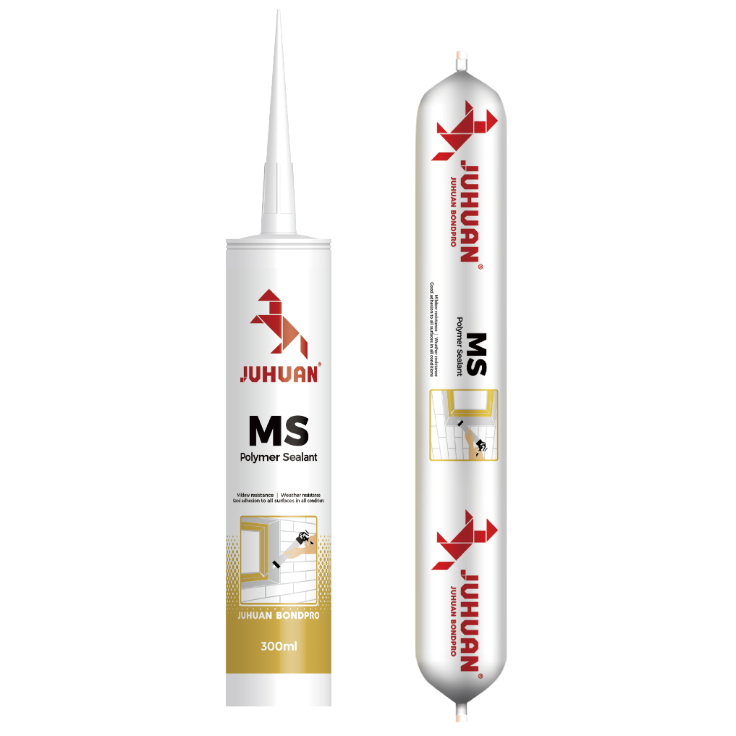
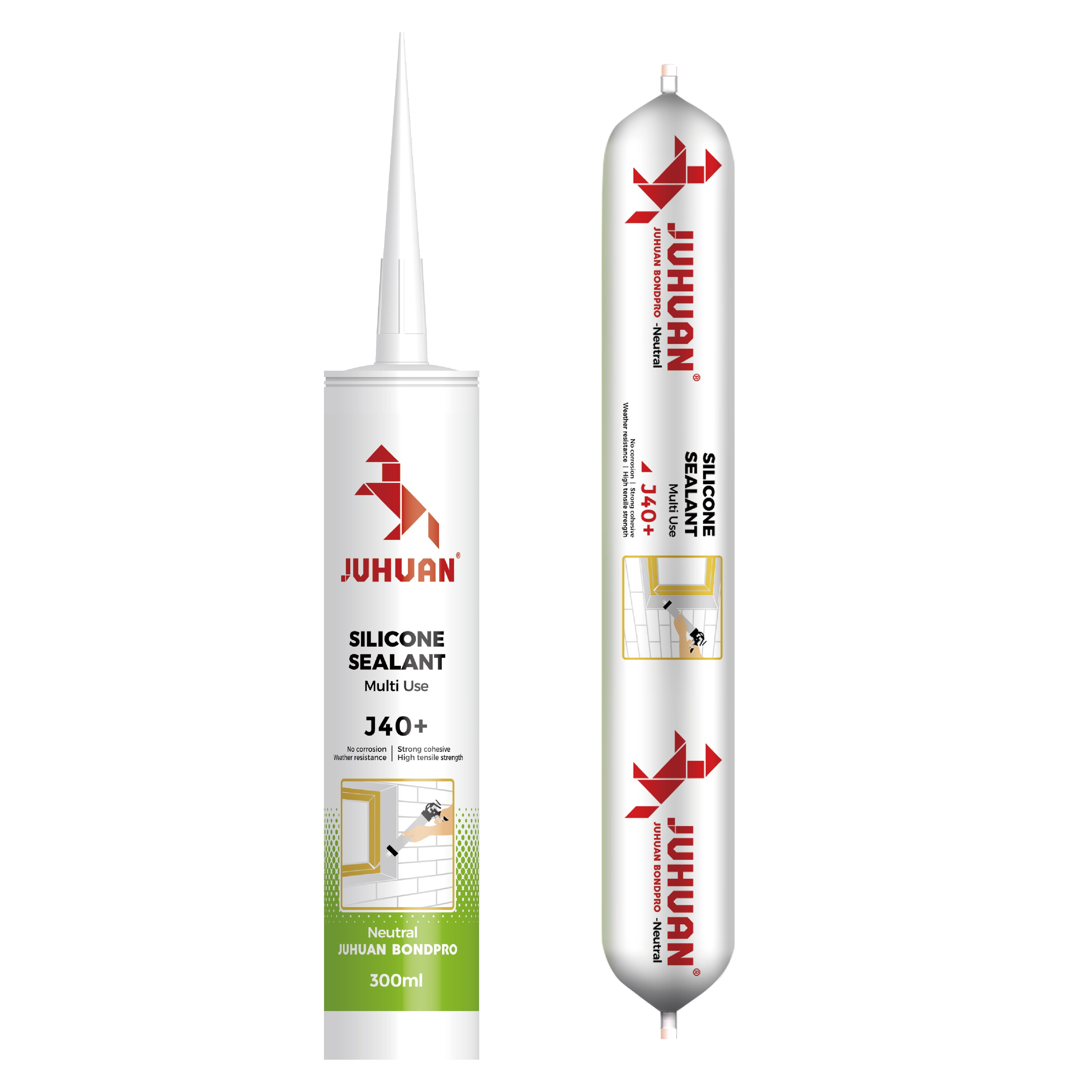
If you visit almost any hardware shop and buy a tube of sealant, it will almost always be this size. The 300 to 310 milliliters cartridge size is a global benchmark for glass and construction sealant. It is the best general purpose size. It is a size optimal for enough sealant to complete several common tasks such as sealing a few windows, a leaky gutter joint, or sealant application in a bathroom, and not so big that it becomes a cumbersome size to handle.
Most sizes are made to fit all standard caulking guns of this size. It is a sealant cartridge that a DIY enthusiast would grab. The tube is small enough to stow easily, but big enough that if the entire tube is not consumed, the sealable tip can be packed to store it for another small task. It is the perfect size for any manual work or construction site to place it as a workhorse.
The standard 300 ml tube can be limiting for bigger jobs. If you are sealing large glass curtain walls or installing several windows in a new house or working on a commercial project, you will likely find yourself needing to change cartridges very frequently. This is where the large format tubes, commonly referred to as “sausage packs” or “film packs,” are best. These hold 600 ml of sealant, giving you nearly double the amount compared to the standard tube.
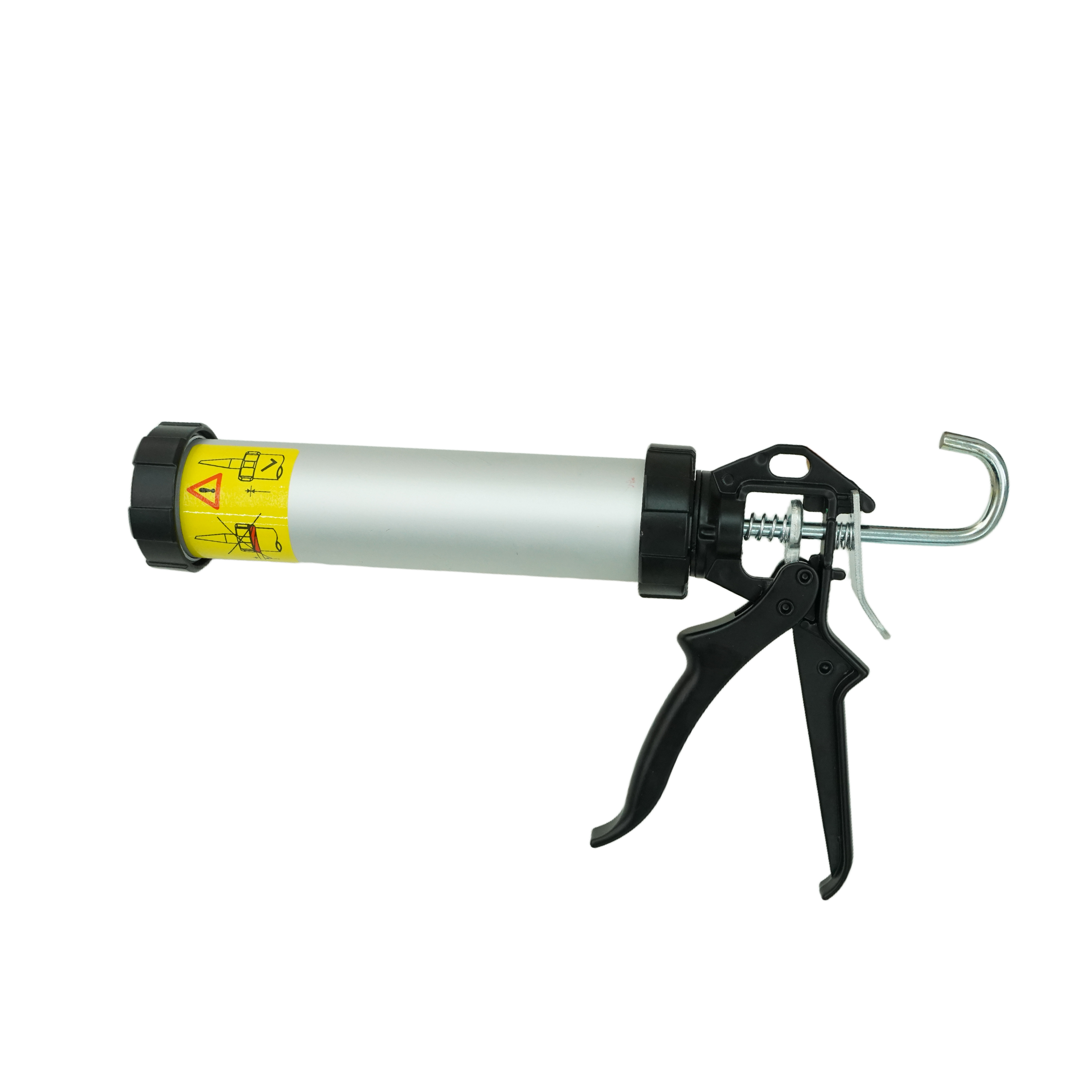
These larger packs are not some rigid plastic tube, but rather a pliable, cylindrical package that needs an open barrel caulking gun to be used. You will load the sausage pack into the gun, and the plunger on the gun directly pushes on the material to expel it. The greatest benefit is that you will experience significantly less downtime. You can lay sealant for two times the amount of time before having to stop and reload. This is a huge boost in productivity on larger jobs, and creates less packaging waste per unit of sealant used. Applying sealant for glass installations is, therefore, a pack that professionals apply this sealant for glass installations is, therefore, a preferred option.
On the other end of the spectrum are smaller tubes. These might be less common for standard construction sealants, but they definitely exist for certain applications. You might find small squeeze tubes ranging from 75 ml to 150 ml. These are great for small repair jobs around the house, for some crafts, and for providing sealant in very confined spaces where a caulking gun would be impossible to use.
Another small format you will often find in specialty automotive or household adhesives and sealants. These are more rigid squeeze tubes with a screw on cap. While less common for general building glass sealant, they are ideal for pinpoint use, like sealing a short gap in a car window or gluing a tile that has come off. These small tubes are really handy for the average homeowner.
The amount of sealant in each tube is determined by the tube size. However, the application method is determined by the tip or the nozzle. Almost all tubes of sealants come with a plastic nozzle which is tapered. You can cut the tip of the nozzle to control the size of the bead. The rule is simple. If you cut the tip nearer to the end, you get a smaller, more thin bead. If you cut the tip farther back, you get a larger and thicker bead.
If you want to do precise work like sealant application on a mirror and there is a thin gap that you need to seal, you will want to create a small bead. In that case, cut the tip at a narrow point. On the other hand, if you want to seal a big gap, for example, seal between a window frame and a rough wall opening, you will need a thicker bead. In this case, you will cut the tip of the nozzle more backward to create a larger opening. You can also cut the tip at a 45 degree angle, which can help you apply the sealant more smoothly into a corner. Otherwise, you will find that this simple act of nozzle cutting will help you get that desired professional look.
How do you decide? It comes down to the size of the job you have ahead of you. For small, one off repairs around the house, such as sealing a bathtub, or a single window, the standard 300 ml tube is ideal. It is economical, and is also a good size to use. For a medium sized job, such as sealing all the windows and doors in an average sized house, you will be looking at buying a number of 300 ml tubes, or you might want to step up to the 600 ml sausage packs (if you have the right gun!). Plus, the larger pack’s efficiency can save you a good amount of time.
For professional contractors involved in new construction or major renovations, the 600 ml size is usually a benchmark. The time saved due to fewer changes is significant. And for those small fiddly jobs, have a couple of small squeeze tubes in your bag. They are great for little touch up and fine detail jobs.
While the size of the tube may differ, the glass sealant's quality of the glass sealant is what matters most. A dependable supplier ensures every cartridge from a 300 ml standard pack to a 600 ml sausage pack, is filled with the same quality sealant and consistent glass sealant. This means each cartridge is guaranteed to cure, adhere, and last.
Manufacturers such as Juhuan, with several production lines and over 30 years of experience, can produce this level of quality. They have large scale production, and know how to supply the demand. As such, they are consistent in their quality, and DIYers are reliant on their products. Quality control and experience coupled with their volume production means every cartridge, standard or large, is of the same high quality.
Ultimately, there is a reason that the most common sizes of glass sealant tubes have became standard. They provide a suitable range for any type of job, from the tiniest household repair to the biggest commercial construction job. Knowing the sizes and how they relate to your purpose will enable you to work more efficiently, cut down on excess, and make certain that you have the precise instrument needed for the job.
 Hot News
2026-07-01
2026-06-18
2026-06-04
2026-05-16
2026-05-06
2026-04-29
Copyright © 2025 by Shandong Juhuan New Material Technology Co., Ltd. - Privacy policy
 EN
EN