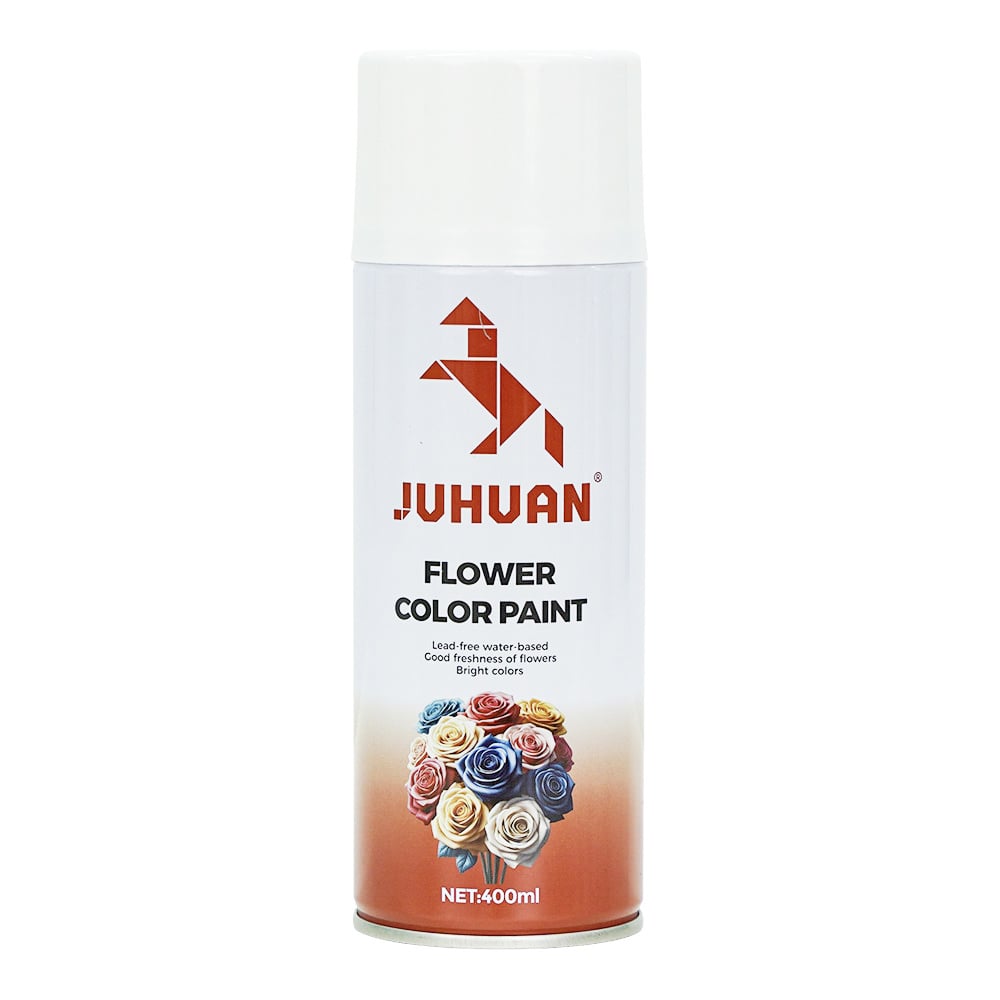
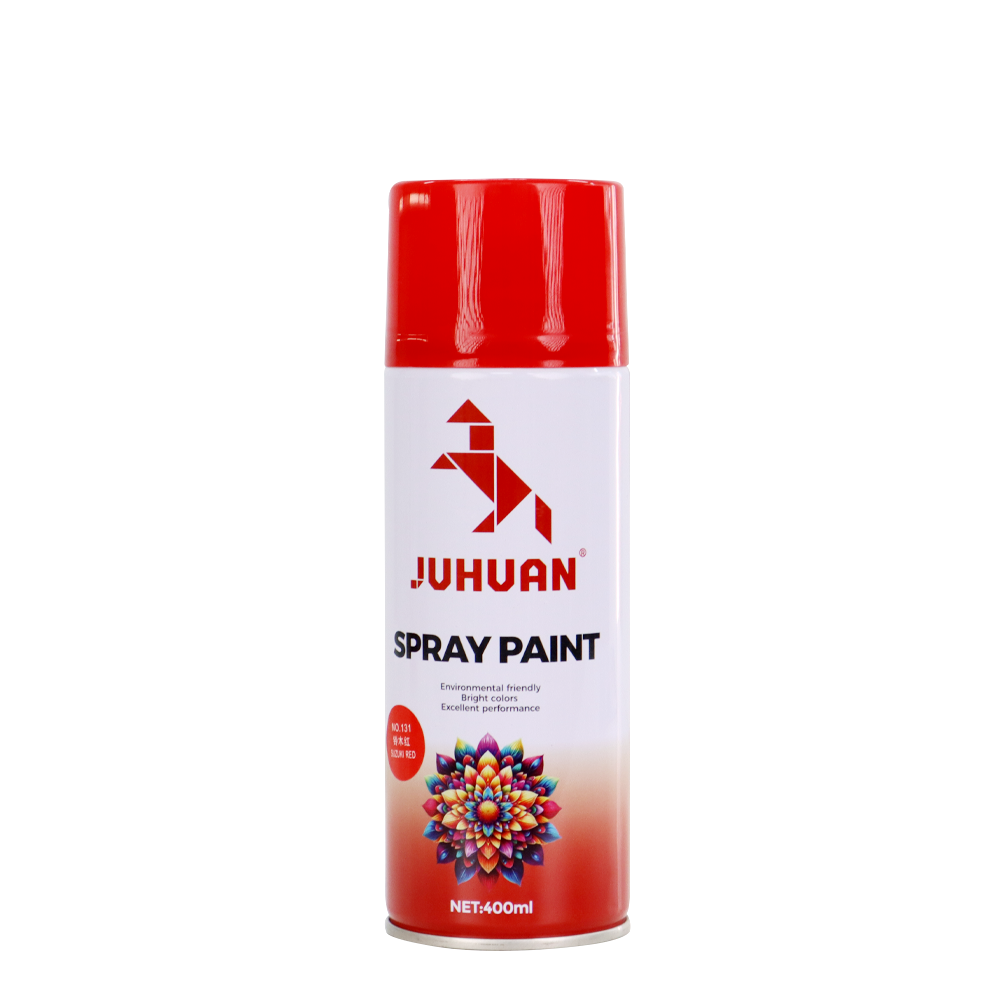
Have you ever looked at an old piece of furniture or a faded garden decoration and thought about giving it a fresh look? That is exactly where spray paint comes in to save the day. It is one of the easiest tools to use when you want to transform something quickly. But not every material acts the same way when you spray it. Knowing which surfaces work well with spray paint can make the difference between a project you are proud of and one you want to hide in the garage forever. This guide will walk you through the best surfaces and a few that need a little extra love before you start.
Before you even think about color, you need to think about preparation. Most spray paint jobs that go wrong do so because the surface was not ready. Dust, grease, and loose old paint are the biggest enemies of a smooth finish. So, you should always start by cleaning the item with a mild cleaner or just some soapy water and let it dry completely. For very smooth or glossy surfaces, a quick once over with some fine sandpaper helps the new paint grip tightly. As some experts will tell you, the chemicals in the cleaner need a good foundation to bond properly. You cannot expect magic if you spray over dirt. If you are working with surfaces that might have mildew or deep stains, taking the time to treat those spots first will save you from redoing the whole thing later.
Wood is one of the most forgiving materials for spray paint, which makes it a favorite for DIY projects. You can spray anything from a simple picture frame to an old wooden chair. The key is that raw wood is porous, so it soaks up the first coat fast. That is perfectly fine; you just need to apply light, even layers and let each one dry before adding the next. If you try to cover it all in one go, you will probably end up with drips. For previously painted or varnished wood, you want to sand it lightly to knock down the shine. This gives the fresh coat something to hold onto. Once it is done, sealed wood surfaces can handle quite a bit of wear. The result can look like a completely new piece of furniture without the heavy price tag.
Metal and spray paint are a classic combination. Whether it is a rusty patio chair, an old mailbox, or a set of iron railings, metal holds onto paint really well if you prep it correctly. The biggest issue with metal is rust. You should always remove loose rust with a wire brush before spraying. For outdoor metal items that face rain and sun, choosing a paint that has built in rust protection makes the finish last much longer. Many manufacturers now add anti rust ingredients into the formula to keep things looking fresh. Just remember that thin, multiple coats work better than one thick coat. This prevents runs and gives you that smooth, factory like sheen. If the metal piece will get hot, like a grill or a radiator, you definitely want a specialty high heat paint for safety.
Painting plastic can be a bit tricky if you pick the wrong products. Some plastics, like the kind used in cheap outdoor toys or certain containers, have a slightly oily surface that repels paint. You can spot these by how smooth and flexible they feel. For those, you will need a paint that is specifically formulated for plastic. Good plastic spray paint has additives that help it flex with the material instead of cracking. Lightly sanding the plastic beforehand also gives the paint more grip. Rigid plastics like ABS, which you often find in 3D printed objects or car parts, usually take paint quite nicely. Do not forget to wipe everything down with rubbing alcohol to remove any lingering residue from the manufacturing process.
Glass and ceramic might not be the first surfaces you think of, but spray paint can do wonderful things here for decorative items. Think about repainting glass vases, mason jars for centerpieces, or even old ceramic planters. The trick with these shiny surfaces is that the paint can scratch off easily if you are not careful. That is why they are best for projects that will not be handled all the time. Some people like to use a clear topcoat to protect the color. For glass, you can even create a cool frosted effect with specialty spray paints designed for that purpose. It is a fun way to add privacy to a bathroom window or make a mirror more interesting. Just make sure the glass is spotlessly clean before you begin because any fingerprints will show up through the paint.
You might be surprised to know that spray paint also works on brick, stone, and concrete. This is great for outdoor fire pits, garden stepping stones, or even giving a brick fireplace a modern makeover. These surfaces are extremely porous, so they absorb a lot of product. You might go through cans faster than you expect. It helps to use a primer designed for masonry first to seal the tiny holes and create a smoother base for the color. An all surface spray paint with good coverage power works well here. Once the paint cures, these surfaces are tough and can handle the weather. It is an affordable way to make a big impact on a patio or a set of stairs without doing a major renovation.
Not every surface around your house is meant for spray paint. Flexible rubber and certain soft vinyl items simply will not work because the paint cannot flex enough and will crack and peel as soon as the material moves. Fabrics can be hit or miss; while there are fabric spray paints, a general spray paint will make the cloth stiff and crunchy. Surfaces that get extremely hot, like engine parts or the inside of a fireplace, need specialty paints and a standard can will not cut it here. Also, think twice before painting over oily woods or surfaces treated with strong sealants unless you are willing to sand them down heavily first. Knowing when not to use spray paint is just as valuable as knowing when to use it and helps you avoid wasting time and supplies.
 Hot News
2026-09-09
2026-07-01
2026-06-18
2026-06-04
2026-05-16
2026-05-06
Copyright © 2025 by Shandong Juhuan New Material Technology Co., Ltd. - Privacy policy
 EN
EN