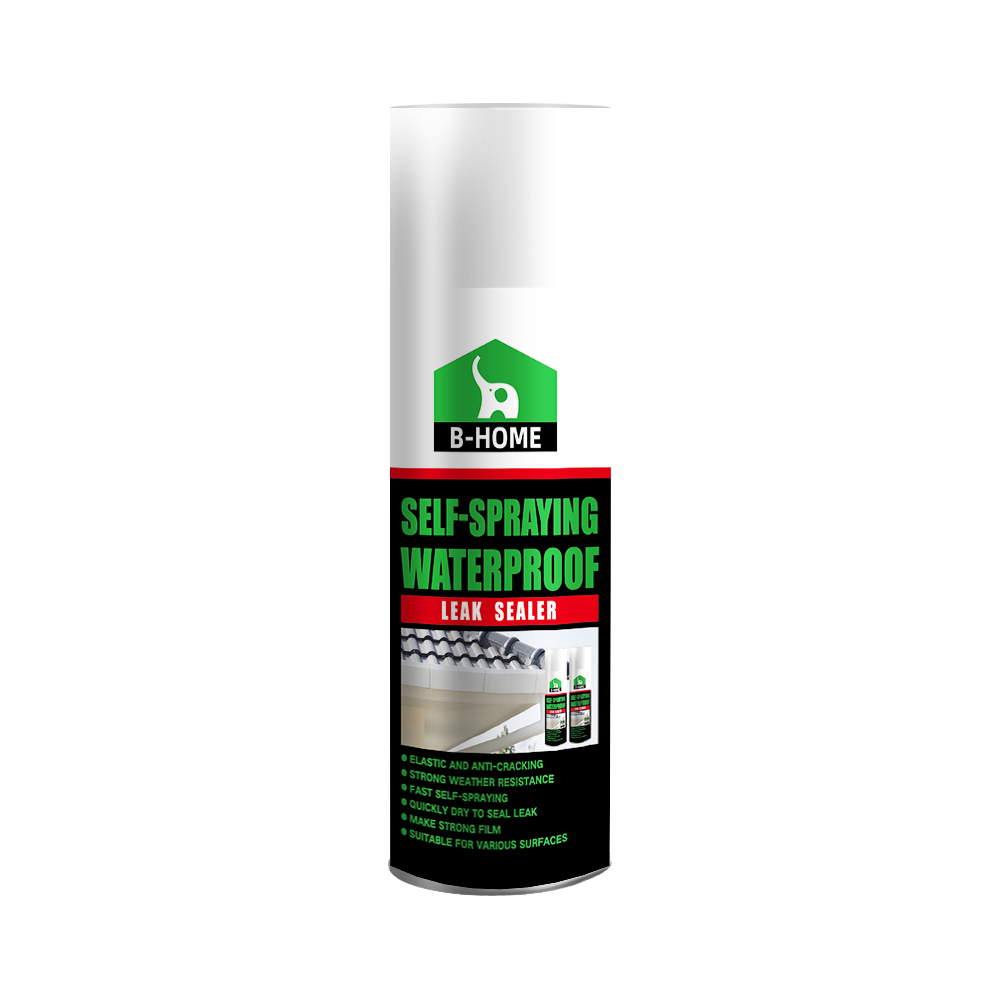
Have you ever noticed the space around a window or a pipe and thought it just needed some sealant? What if, instead, you looked at the spray foam and thought it was a raw material for a creative project? For DIY lovers and crafters, the versatile PU foam, or polyurethane foam, is leaving construction and insulation and entering the realm of handmade crafts. The possibilities of this material are endless. With fun and imaginative properties, it is becoming a favorite among crafters.
A change like this illustrates how increasing numbers of designers are appreciating materials for their secondary functions and creative use possibilities. Alongside other companies producing quality materials for construction, Juhuan, with his decades of experience working with sealants and foams, is making this creative construction phenomenon possible. Getting to know a material is how to begin to appreciate its creative potential. So why is PU foam a captivating medium for crafters?
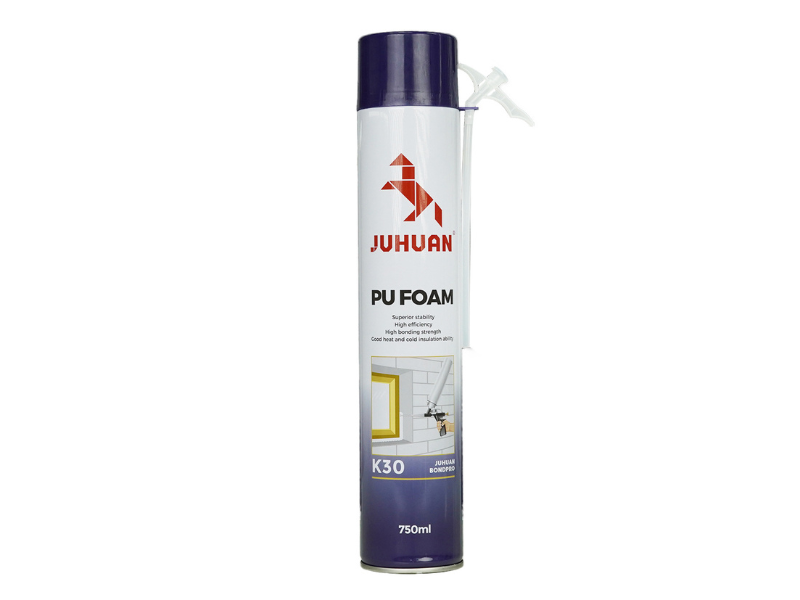
Traditionally, PU foam is known for its ability to seal and insulate, and to fill gaps. It expands to fill voids, cures into a solid, and can be shaped and painted. These traits are why it is so popular for DIY crafts. Picture a material that starts as a liquid, then can be guided to expand into any shape, and then hardens into a lightweight, yet sturdy form. This means that crafters can create customized shapes and textures that would otherwise be difficult and time-consuming to make with wood, clay, or even resin.
The unique properties of expanding foam allow for Irish sculptures of any variety. Creating realistic landscapes for model trains, imaginative fantasy sculptures, tombstones for Halloween, or foam sculptures of creatures are all possible with expanding foam. The foam can easily be shaped, sanded, or decorated after it has fully cured.
Your options are practically endless. Jumping into new projects and exploring what has been done before will give you the best ideas. A popular method of using expanding foam is in home decor. It is often used in holiday decorations for wall art with added 3D features, faux brick panels, and decorative centerpieces such as snowmen. For example, during the holidays, ornate nutcracker decorations can be made. A simple star, sanded with added foam to give it texture, will be transformed into a rustic Christmas star.
In the world of cosplay and prop making, PU foam is an invaluable resource. It’s lightweight, making it perfect for creating costume accessories and cosplay armor. It can also be layered, cut, and glued to create a wide variety of forms. Expanding foam can be used to make alien eggs, gemstones, or even rocky textures. PU foam can also be sanded down to a smooth finish, or carved with detail, making it a flexible medium for designs of all types.
Additionally, PU foam is used by model makers and hobbyists to make realistic diorama landscapes. It can be carved into all sorts of shapes, including hills and cliffs. It’s also very easy to customize with grass, sand, and rocks to build believable landscapes for tabletop games or displays.
Working with PU foam can be fun and exciting, however, there are some things to know before getting started. PU foam is different from most craft materials because it is a chemical product that expands and cures through a specific reaction.First and foremost, the key to successful pu foam use is preparation and protection, and foam is very sticky irremovable from skin, and other surfaces. Always wear disposable gloves, and foam protective your workspace with sheeting plastic and cardboard. Work in a well ventilated area. You can guide the foam during application with craft sticks.
The expansion of foam is an art in itself. For best results, apply and cure each layer individually. Be sure to avoid bubbling and detail loss by allowing the previous layer to cure before adding more. Additionally, always leave room for the foam to grow.
Depending on the brand, it can take hours for foam to fully cure. Once it is done you can begin the fun part of shaping. Use serrated knives to carve and coarse sandpaper. For larger pieces, electric sanders work best. Craft sealants, spackles, or patching plaster can be used to seal the surface and give it a smooth finish for paint. The seal your foam and give a surface for an even base to acrylic paint or sprays.
The quality of the materials you deal with is very important for the final result you want to achieve. Different foams have different properties that can be important for the craft projects you're thinking about. If your project is going to be for display or for handling, then you want to work with quality, stable foams. Quality foams have consistent cell structures, meaning that they can expand, and cure without notable differences. This can lead to less and more uniform crumbling when you start carving and sanding.
When you work with certain manufacturers, you can be sure to get stable, predictably productive features that have uniform density and consistent curing times. This will help you achieve your desired result with more confidence. Having the right props can be the difference between ruining your project and practicing safe crafts.
With PU foam, you will find another level of creative material innovation, the ability to think big and encourage experimentation. If you want to add noteworthy characteristics to your work without advanced woodworking and sculpting skills, PU foam is the perfect material. It also makes the process of creating more unpredictable and exciting.
The growing DIY community continuously inspires new uses for various materials, including PU foam. It serves as an excellent example of the combination of industrial material science innovtions and grassroots creativity. If you want to elevate your crafting to the next level, a can of PU foam can help you transform your visions into amazing masterpieces.
 Hot News
2026-07-01
2026-06-18
2026-06-04
2026-05-16
2026-05-06
2026-04-29
Copyright © 2025 by Shandong Juhuan New Material Technology Co., Ltd. - Privacy policy
 EN
EN