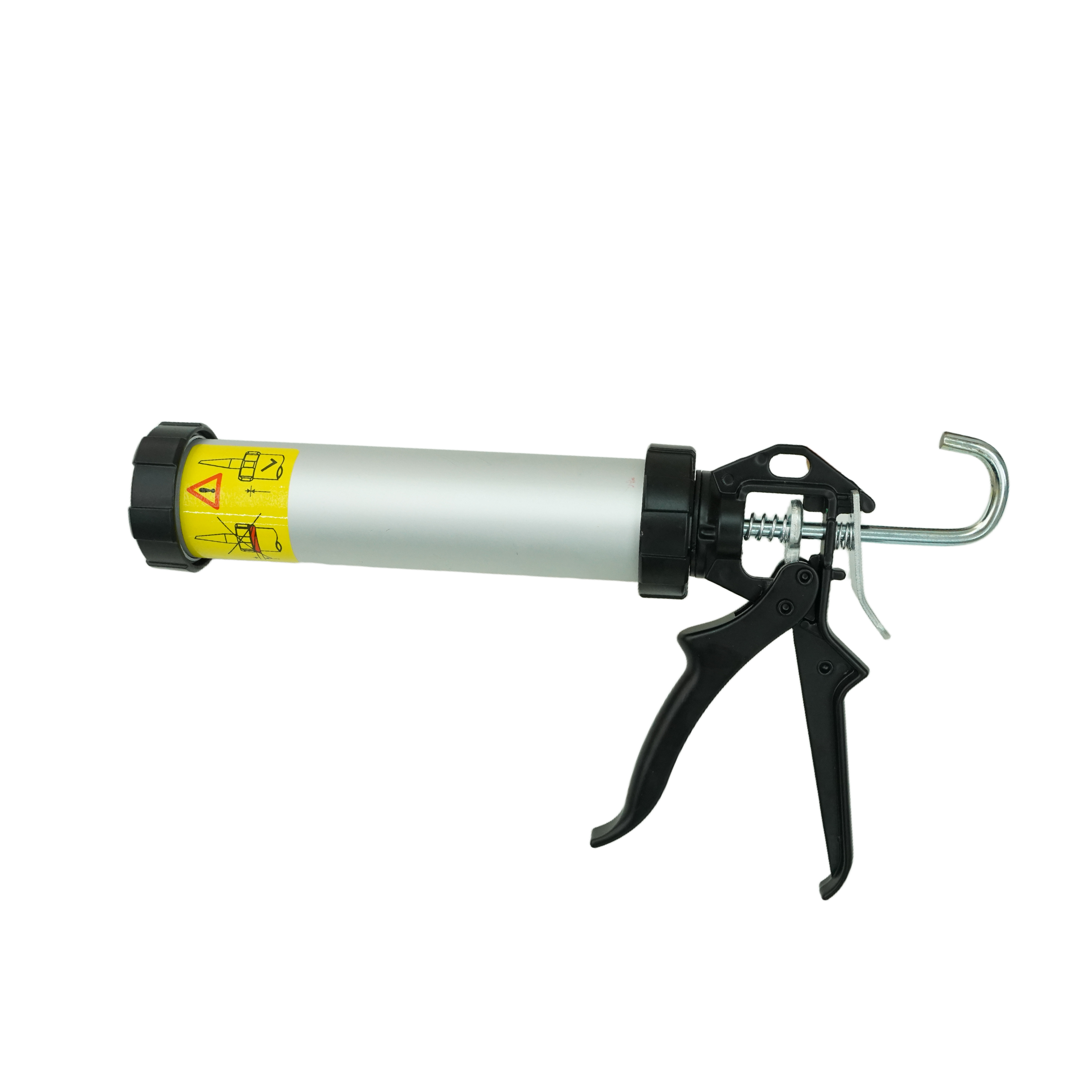
Polyurethane foam has earned its reputation as a superstar in modern construction, insulation, and sealing. It's incredibly versatile—lightweight, durable, an excellent thermal insulator, and capable of adhering to most surfaces while filling even the widest, most irregular gaps. But for all its benefits, one critical question always arises when safety is the top priority: what happens when it faces a fire? While a fantastic material, its standard form can pose a risk. So, how do we make it safer?
This is where the science of fire-resistant engineering comes in. For dedicated manufacturers with decades of experience, like Juhuan, improving the fire performance of polyurethane foam is a fundamental priority in the product development cycle. It's a process driven by stringent international standards and a deep commitment to safeguarding both people and property.
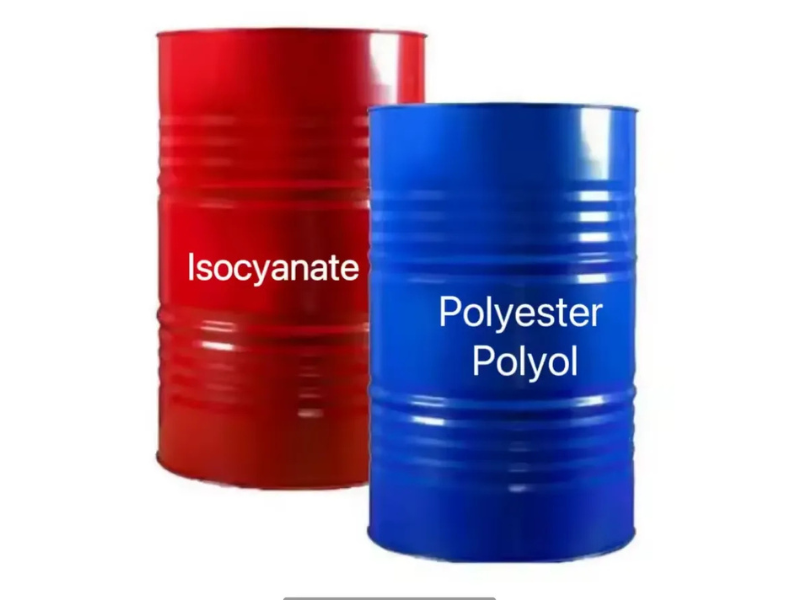
First, let's discuss why standard polyurethane foam needs enhancement. In its basic state, polyurethane foam is an organic, carbon-based polymer. When exposed to high heat, it can decompose and release flammable gases, which can contribute to a fire's ignition and rapid spread. This inherent characteristic makes enhancing its fire resistance absolutely essential for many applications, from sealing joints in skyscrapers to insulating residential attics.
It's important to have realistic goals. Creating a material completely impervious to fire is nearly impossible. Instead, the aim of fire resistance improvement is to make the material significantly more effective at three key tasks: dramatically delaying ignition, slowing the spread of flames, and minimizing the production of dense smoke and toxic gases. Achieving these goals transforms the foam into a much safer component for any building system.
So, how is it done? Manufacturers employ a sophisticated blend of advanced chemistry and precise engineering to build fire resistance directly into the foam's structure. Here are the primary strategies used.
This is the most common and direct approach. Specialized fire-retardant compounds are integrated into the foam's chemical formulation before it cures. These additives work through intelligent mechanisms. Some are intumescent; they swell when heated to form a thick, insulating char layer that shields the underlying material. Others release inert gases that dilute flammable vapors. A third type promotes the formation of a stable carbon char barrier, slowing further decomposition. The expertise lies in balancing these additives to achieve target fire ratings without compromising the foam's core properties like adhesion, expansion, or final strength.
Going beyond simple mixing, a more advanced method involves chemically bonding fire-retardant elements into the foam's very polymer chains. This is achieved using reactive-type flame retardants. These compounds, containing elements like phosphorus or nitrogen, are designed to participate in the chemical reaction during foam production, becoming a permanent part of the polymer network. The key advantage is durability; the fire protection is integral and won't migrate or leach out over time, ensuring long-term reliability.
Fire resistance isn't just about chemistry—it's also about physics. The foam's microstructure, including its cell size, openness, and overall density, significantly influences its behavior in fire. A higher-density foam has more material per unit volume and a more compact structure, which can hinder the penetration of heat and flames. Engineers can fine-tune the production process to create a foam matrix inherently more resistant to thermal degradation.
The most effective modern fire-resistant foans are the result of synergistic formulations. This involves combining different types of flame retardants so they work together better than they would alone. For instance, a blend of phosphorus-based and nitrogen-based compounds can produce a stronger, more protective char barrier than either could independently. Developing these advanced recipes requires deep polymer science expertise and extensive testing to perfect the balance of safety, performance, and cost.
Developing a fire-resistant foam is only half the journey. Proving its performance through independent, rigorous testing is equally vital. This is where official certifications become non-negotiable for credibility and compliance.
A globally recognized benchmark is the B1 fire rating under Chinese GB standards (similar to Euroclass B). A foam achieving this rating is classified as "flammability-resistant." In standard tests, B1 materials are very difficult to ignite, exhibit slow flame spread, and will self-extinguish almost immediately once the ignition source is removed. For a manufacturer, having its polyurethane foam pass a national B1 level inspection is a concrete testament to its product's safety and reliability. These certifications are the result of a comprehensive quality system, encompassing everything from automated DCS production lines ensuring batch consistency to mature ISO 9001 management systems.
For construction professionals, specifying fire-rated polyurethane foam is often a mandatory building code requirement. It is a critical element in creating safer building envelopes, helping to compartmentalize potential fires and buy invaluable time for occupant evacuation.
For the informed DIY enthusiast, choosing a fire-retardant foam for projects like garage insulation, sealing pipe penetrations, or home studio soundproofing is a smart and responsible decision. It adds an essential layer of safety to home improvements, providing genuine peace of mind.
In summary, transforming standard polyurethane foam into a fire-resistant material is a fascinating fusion of chemistry, physics, and stringent quality control. Through strategic formulation with advanced additives, chemical integration, and relentless testing, manufacturers have expanded the safe and suitable applications for this versatile material. When selecting foam for any project where fire safety is a consideration, looking for independent third-party certifications like the B1 rating is the surest way to choose a product engineered not just to perform, but to protect.
 Hot News
2026-07-01
2026-06-18
2026-06-04
2026-05-16
2026-05-06
2026-04-29
Copyright © 2025 by Shandong Juhuan New Material Technology Co., Ltd. - Privacy policy
 EN
EN