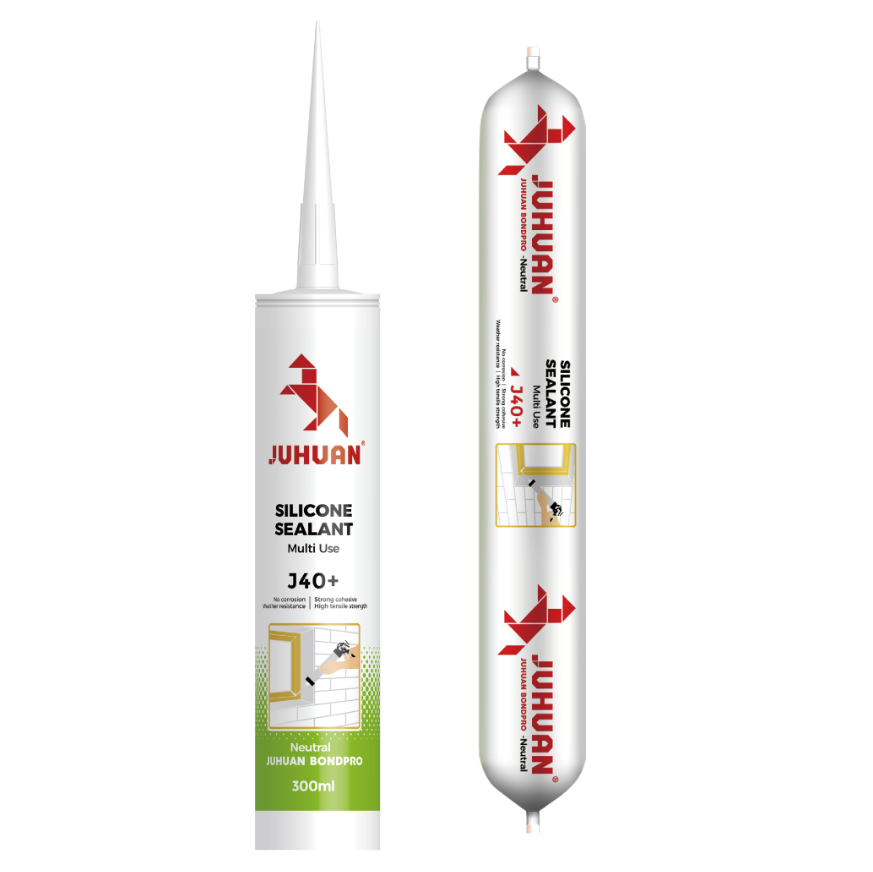
When we talk about silicone sealant standing up to heat, we are really talking about its incredible molecular structure. Think of it like this: most materials, when heated, tend to break down, soften, or become brittle. Silicone sealant is different. Its backbone is made of strong silicon-oxygen bonds, which are much tougher than the carbon-carbon bonds found in many other polymers. This means it takes a lot more energy from high temperatures to make it give up. So, whether it's facing the relentless summer sun beating down on a window frame or the consistent heat near an appliance, that silicone bead stays put. It doesn't just survive; it maintains its seal, its flexibility, and its integrity. This thermal stability ensures that expansions and contractions of building materials don't break the adhesive bond, preventing leaks and energy loss.
Now, let's flip the script to cold temperatures. Here is where many materials call it quits, turning hard and cracking under the pressure, literally. But silicone sealant has a secret weapon: its low glass transition temperature. In simple terms, this is the temperature below which a material becomes stiff and glassy. For silicone, this point is extremely low, far below typical winter conditions. This means even in a deep freeze, the sealant remains surprisingly flexible and rubbery. It can stretch and compress with the movement of joints as structures contract in the cold, without losing its grip or forming cracks. This frost-resistant quality is what makes it the go-to choice for outdoor applications in all climates, from sealing gutters in snowy regions to insulating windows in windy coastal areas.
So, where do we see these high and low temperature properties really shine in everyday life? The list is long because silicone sealant is incredibly versatile. In construction, it's used around windows and doors to create weatherproof seals that endure seasonal temperature swings from blistering heat to icy winds. Under the hood of your car, it seals gaskets and hoses that are subjected to engine heat and then cool down. In the home, it's used to seal ovens, fireplaces, and HVAC ducts, all spots that experience significant heat changes. Even in electronics, a thin bead can protect sensitive components from heat while remaining stable. For outdoor projects, like sealing joints in concrete pavements or around solar panels, it needs to handle the sun's UV heat and nighttime chills. This broad application range is a direct testament to its reliable performance across the temperature spectrum.
Knowing that silicone sealant is great for temperature extremes is just the first step. Not all silicone products are created equal. For the best results, you need to pick the right one. For general outdoor use where UV resistance is also key, look for a neutral-cure silicone sealant, often labeled as weatherproof or all-season. For areas with extreme high-temperature exposure, such as near engines or exhaust vents, a high-temperature specific formula is essential. Always check the product specifications for its stated service temperature range, which might look like -40°C to 200°C or similar. This tells you the span it is designed to perform within. Proper surface preparation is also crucial; clean, dry, and grease-free surfaces ensure the sealant can form the strongest possible bond. Remember, a quality silicone sealant applied correctly is a long-term investment in durability, saving you from frequent repairs and replacements.
 Hot News
2026-07-01
2026-06-18
2026-06-04
2026-05-16
2026-05-06
2026-04-29
Copyright © 2025 by Shandong Juhuan New Material Technology Co., Ltd. - Privacy policy
 EN
EN