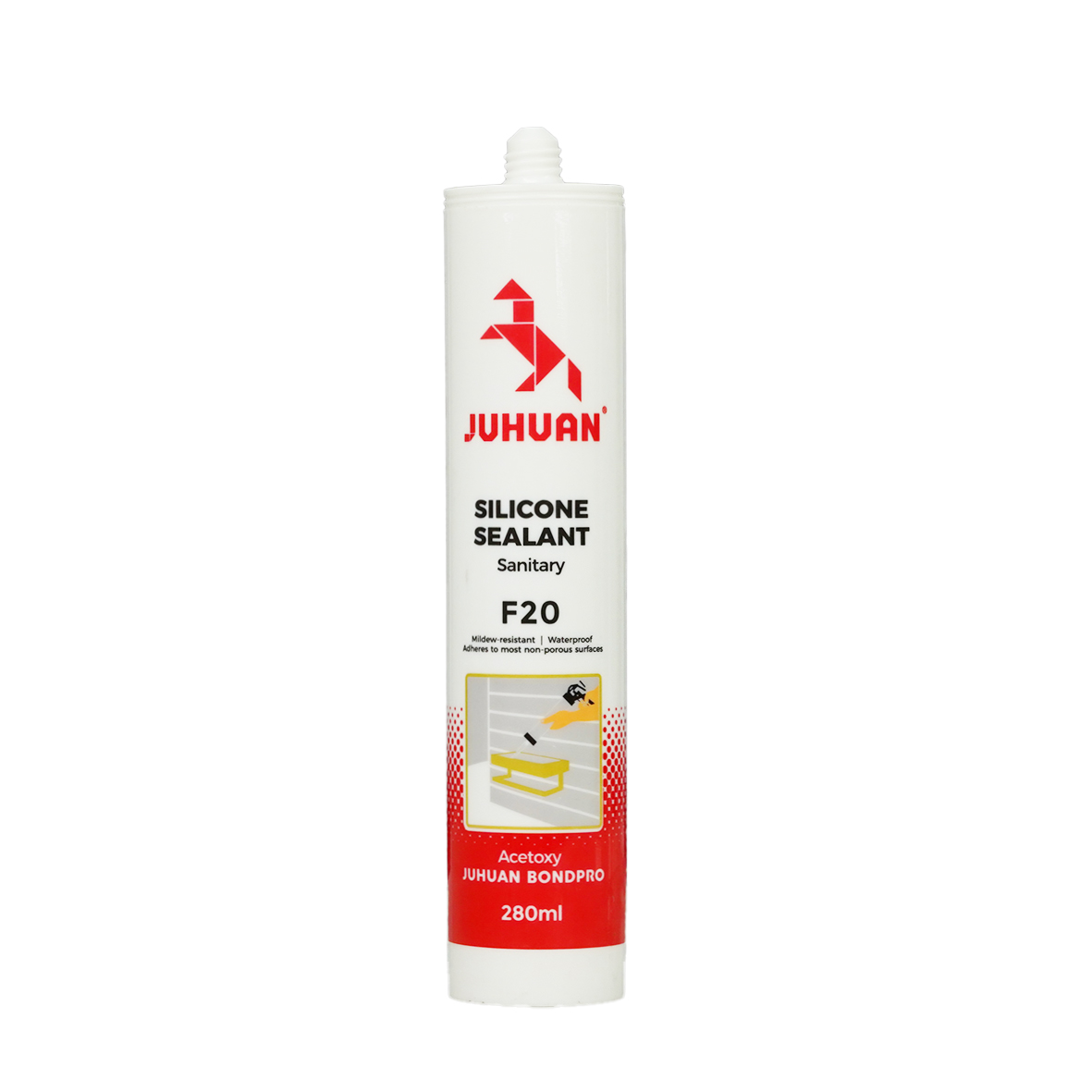
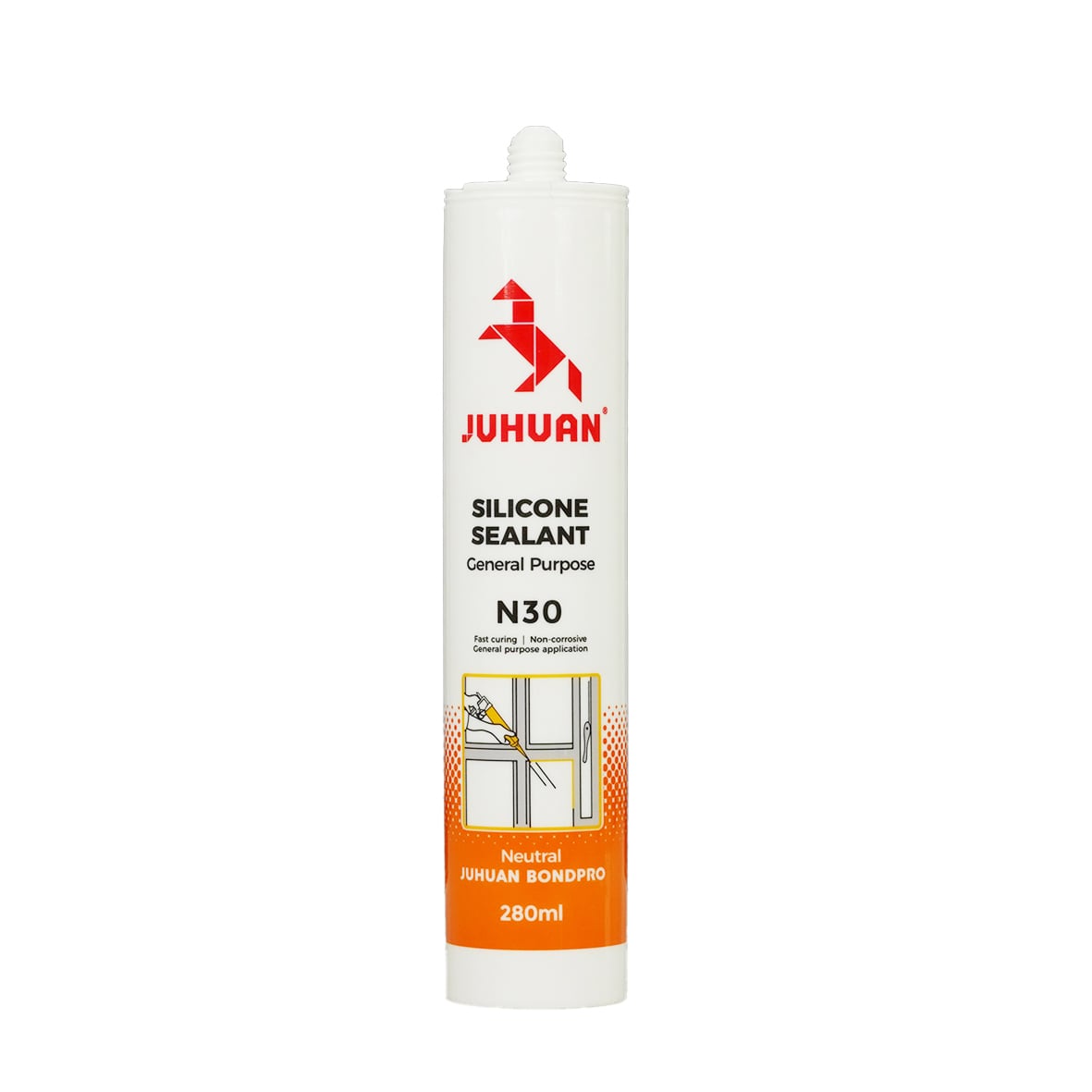
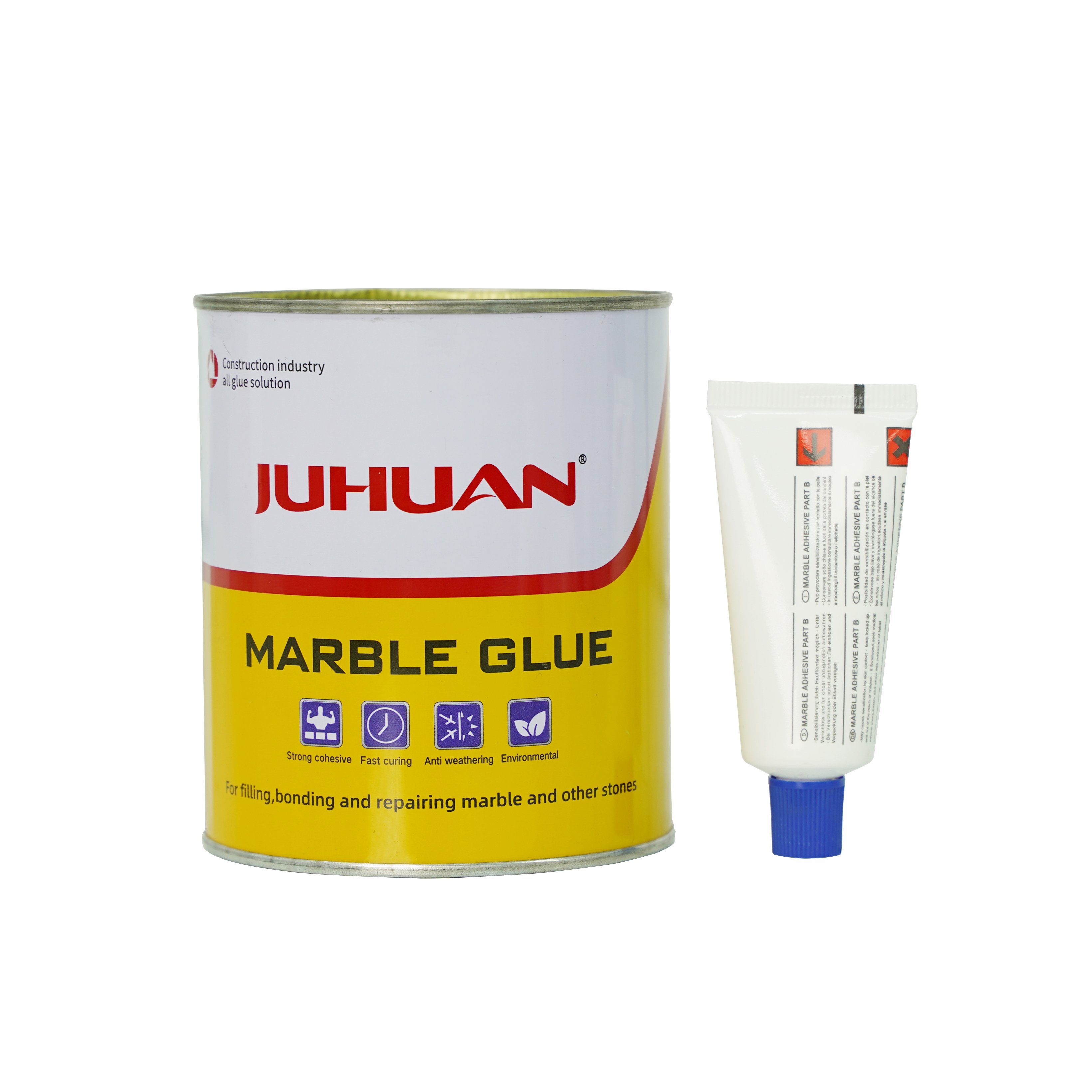
Let us be honest. If you have ever tried to seal a bathroom shower or a kitchen backsplash only to watch the caulk turn black and peel away within a few months, you know the frustration. High humidity environments are absolutely brutal on sealants. We are not just talking about a little bit of moisture in the air. We are talking about constant steam, standing water, and the kind of dampness that never really goes away. In these conditions, a standard sealant simply cannot keep up. The moisture seeps in, the bond breaks down, and before you know it, mold starts creeping into the corners and water is leaking behind your fixtures. The real enemy in these situations is not just the visible water on the surface. It is the vapor pressure and the tiny amounts of moisture that get trapped in porous substrates like grout, concrete, or natural stone. If you use the wrong product, that trapped moisture tries to escape as the temperature rises, pushing the sealant right off the wall in a process called blistering. This is exactly why selecting the right material matters so much. The days of grabbing the cheapest tube of caulk off the shelf and hoping for the best are over. When you are dealing with high humidity, you need a product that was engineered from the molecular level to handle constant exposure to water and vapor. That is where ms sealant technology really shines. It is not just a different color in the aisle. It is a completely different chemical approach to keeping water out and keeping the seal intact for the long haul.
Before diving into what works, it helps to understand why the old standbys usually fail in wet areas. For decades, the go to choice for bathrooms and kitchens has been silicone sealant. Silicone is flexible and it does a decent job against water initially. But here is the problem. In a constantly wet environment, silicone has a nasty habit of losing its grip. It does not bond particularly well to many surfaces unless you use a separate primer, and even then, the adhesion is often the first thing to go. Worse yet, silicone cannot be painted. Once it starts to look grimy or discolored, you are stuck with it or you have to scrape every last trace of it off the wall, which is a nightmare job. On the other side of the coin, you have polyurethane sealants. These are tough and paintable, which is great. But they come with their own set of baggage. Polyurethanes contain isocyanates, which are not exactly the friendliest chemicals to have around your home. More importantly for our topic, polyurethane reacts poorly to excessive moisture during the curing process. If you apply it to a damp surface or in high humidity, the sealant can actually foam up or form bubbles as it cures, ruining the seal and creating a weak, unsightly joint. So you are left with a choice between something that sticks poorly and cannot be painted, or something that might bubble up and fail on a damp day. Neither is a great option for a shower that gets used twice a day. This gap in performance is precisely what drove the development of modern hybrid chemistries.
This is where the rubber meets the road, or in this case, where the sealant meets the soggy substrate. One of the standout features of a quality modified silane polymer is its ability to bond effectively to surfaces that are not perfectly dry. This is a huge deal in high humidity applications because, let us face it, getting a shower wall or an exterior window frame completely bone dry before you start sealing is almost impossible. There is always some residual moisture lurking in the pores of the grout or the grain of the wood. Traditional silicones demand a completely dry surface, otherwise the adhesion is compromised right from the start. Modern hybrid sealants, however, are much more forgiving. They are formulated to tolerate a bit of dampness without sacrificing bond strength. This means you can get a reliable, long lasting seal on materials like wet concrete, damp wood, or freshly cleaned ceramic without having to wait days for everything to evaporate. The chemistry here is key. MS polymers do not rely on a single weak point of contact. They form a strong, primerless bond to a vast array of substrates, from non porous glass and metal to porous stone and brick. This universal adhesion is a game changer for high humidity areas because it means the seal remains intact even as the materials behind it expand and contract with temperature changes or absorb and release moisture. You get a flexible, tough joint that moves with the building rather than cracking under the pressure of a humid climate. This elasticity is critical because a rigid joint in a bathroom or on an exterior facade will simply snap when the humidity causes the framing or tiles to shift.
Let us talk about the actual process of the sealant turning from a paste into a solid, waterproof barrier. It sounds simple, but in high humidity, this is where many products self destruct. The fear with polyurethane is always bubbling. Because polyurethane releases carbon dioxide as it cures, excessive moisture can trap those gasses and create ugly blisters under the surface of the seal. Modern MS based sealants solve this problem at the source. They utilize a moisture curing mechanism that does not off gas in the same way. This translates directly to blister free curing, even in the steamiest, most humid environments you can throw at them. You can apply them to a damp shower enclosure or an exterior joint after a rainstorm, and the sealant will cure smoothly and uniformly without puffing up or developing pinholes. This reliable curing behavior is a direct result of the silane modified polymer backbone, which cures by absorbing ambient humidity to form a stable, elastic solid. The process is actually quite efficient. Higher relative humidity and warmer temperatures can accelerate the cure time, meaning that ms sealant often sets up faster in a bathroom or a humid coastal climate than it would in a dry, air conditioned office. This is a huge practical advantage on the job site because it reduces the tack free time and allows you to move on to the next step of the project sooner. There is no waiting around for days, praying that the sealant does not get contaminated or washed out before it finally hardens. It just works, quietly and reliably, turning moisture from an enemy into a catalyst for a strong, durable finish.
Finally, we have to address the elephant in the room, or rather, the black spots in the corner of the shower. No discussion of high humidity sealing is complete without talking about mold and mildew. These fungi thrive in warm, damp environments, and they love nothing more than feasting on the organic compounds found in some traditional sealants. Silicone is particularly notorious for this. Over time, even "mold resistant" silicone can become a breeding ground for unsightly and unhealthy growth. You can scrub it with bleach, but the stains often remain embedded in the rubbery surface. The difference with advanced hybrid formulations is that many of them are engineered from the ground up to resist fungal and bacterial growth. High quality ms sealant products often incorporate long lasting antimicrobial additives that inhibit the growth of mold on the surface of the sealant itself. This does not just keep the joint looking clean and white. It actually contributes to a healthier indoor environment by reducing the presence of allergens and spores. The molecular grade antimicrobial formula works by creating a surface that is inhospitable to mold spores, preventing them from taking root in the first place. Because the material is also non porous and smooth when cured, it is incredibly easy to wipe down and keep clean with standard household cleaners. You do not have to worry about the sealant breaking down or discoloring when exposed to the occasional splash of bleach or cleaning solution. This combination of inherent resistance and easy cleanability is what makes it the smart choice for kitchens, bathrooms, swimming pool surrounds, and any other space where moisture and cleanliness are top priorities. It is the difference between a seal that looks good for a few months and one that stays hygienic and professional looking for years.
 Hot News
2026-07-01
2026-06-18
2026-06-04
2026-05-16
2026-05-06
2026-04-29
Copyright © 2025 by Shandong Juhuan New Material Technology Co., Ltd. - Privacy policy
 EN
EN