The kitchen is often described as the heart of the home, a place of warmth, nourishment, and daily activity. Yet, it is also one of the most demanding environments for building materials. Constant temperature fluctuations from preheating ovens to boiling pots, persistent moisture from washing dishes and cleaning surfaces, exposure to cooking oils and food acids, and frequent cleaning with various chemicals all converge on this one space. The silicone sealant filling the gaps around your sink, backsplash, and countertops stands as a frontline defender against these relentless forces. Its primary job is to maintain a waterproof, flexible barrier that prevents water from seeping into vulnerable substrates like cabinetry and wallboard, which can lead to costly structural damage and mold growth. However, unlike sealant in more stable environments, kitchen sealant undergoes a unique form of accelerated wear and tear. The combination of heat, moisture, and contaminants can break down its chemical bonds over time, leading to common failures such as discoloration (often turning yellow or black with mildew), hardening and cracking, or complete loss of adhesion where it pulls away from the surface. Ignoring these signs is an invitation for moisture intrusion and hygiene issues. Therefore, a proactive approach to the care of this critical barrier is not merely about aesthetics; it is a fundamental aspect of responsible home Maintenance that protects your investment and ensures a healthy, functional cooking space for years to come.
Effective upkeep of silicone sealant begins long before repairs are needed. It starts with establishing a simple habit of routine inspection and proper cleaning. A careful visual and tactile check every few months can help you identify minor issues before they escalate into major problems. Look closely at the sealant lines, especially around the sink, where stress is highest. Signs of early trouble include a slight lifting of the edges from the counter or wall, a chalky or brittle texture, the beginnings of hairline cracks, or any discoloration, particularly dark spots that indicate mold or mildew penetration. Running a finger lightly along the bead can sometimes reveal a loss of elasticity or tackiness that isn’t immediately visible.
When it comes to cleaning, gentleness is paramount. The goal is to remove surface grime, grease, and soap scum without damaging the sealant’s integrity. A soft cloth or sponge with a mild detergent or a diluted mixture of vinegar and water is typically sufficient. It is crucial to avoid abrasive scrubbers, steel wool, or harsh, bleach-based cleaners. While strong chemicals might seem effective for stain removal, they can degrade the silicone’s surface, making it porous and more susceptible to future staining and microbial growth. For light mold or mildew on the surface, a dedicated bathroom mold remover can be used with caution, but it should be rinsed off thoroughly and the area dried completely. Consistent, gentle cleaning preserves the sealant’s smooth, non-porous surface, helping it repel stains and moisture more effectively and extending its functional lifespan significantly.
Even with the best care, minor wear is inevitable. Fortunately, not every flaw requires a full-scale resealing project. For superficial problems like mild surface staining, small nicks, or very localized areas where the sealant has just begun to separate, targeted interventions can restore integrity. For stains, a paste made from baking soda and water can act as a gentle abrasive to lift discoloration without scratching. For a tiny gap or a crack less than an inch long, a simple repair is possible. The absolute key to success, however, is preparation. Any repair must be made to a perfectly clean, dry, and stable surface. Any old, loose, or mold-compromised material must be meticulously removed. In the case of a small repair, this means using a sharp utility knife or razor blade to cut out the damaged section, creating clean, vertical cuts on either side.
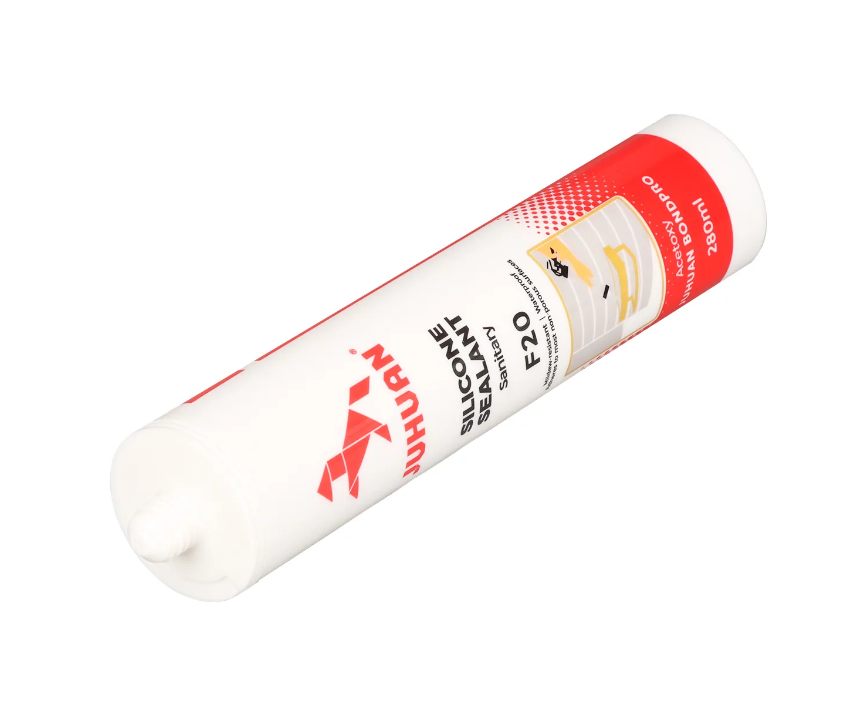
Once a clean and sound substrate is revealed, the area must be completely dried. Any residual moisture trapped behind the repair will guarantee future failure. For the actual fix, a high-quality, 100% silicone sealant designed for kitchens and bathrooms should be used. These are formulated to resist mildew and withstand constant moisture. Applying a thin, precise bead into the prepared gap and then using a wet finger or a specialized smoothing tool to tool it smooth will ensure a proper seal. It is vital to allow the new sealant to cure fully according to the manufacturer's instructions, which usually means keeping the area dry for at least 24 hours, before exposing it to water. This approach to minor damage management can effectively postpone the need for a complete reapplication.
There comes a point when patching is no longer a viable solution. When the sealant shows extensive cracking, has large sections that have lost adhesion, is heavily infiltrated with mold, or has become hard and shrunken across a long stretch, a complete replacement is the only durable option. This process is more involved but is ultimately the most effective way to restore a watertight, hygienic seal. The first and most critical step is removal. All old sealant must be completely excised. A combination of tools is helpful: a sharp sealant removal tool or utility knife to cut the bulk of the material, followed by careful scraping with a plastic putty knife or even a specialized sealant-removing solvent for stubborn residues. The goal is to leave the underlying tile, countertop, and sink material perfectly clean and unscratched.
After removal, a thorough cleaning of the channel is non-negotiable. Any traces of soap, grease, old sealant, or mildew must be eliminated. A rubbing alcohol wipe-down is an excellent final step to degrease and dehydrate the surface, ensuring maximum adhesion for the new sealant. The choice of new product is critical. Opting for a top-grade, mold-resistant, 100% silicone sealant or a advanced hybrid polymer sealant, such as an MS Polymer, is recommended. These products from experienced manufacturers offer superior flexibility, adhesion, and longevity. The application technique is just as important as the product itself. Using a caulking gun, apply a continuous, controlled bead of sealant into the joint. Immediately smooth and shape the bead with a damp finger, a smoothing tool, or even a piece of plastic wrap, applying firm, even pressure to push the sealant into the gap and create a concave, consistent profile. This tooling action is what creates a professional, effective seal. Finally, patience is essential. Allow the sealant the full recommended cure time—often 24 to 48 hours—before using the sink or getting the area wet. This complete process, while requiring time and attention to detail, resets the clock, providing a fresh, robust barrier that will protect your kitchen for many years.
 Hot News
2026-07-01
2026-06-18
2026-06-04
2026-05-16
2026-05-06
2026-04-29
Copyright © 2025 by Shandong Juhuan New Material Technology Co., Ltd. - Privacy policy
 EN
EN