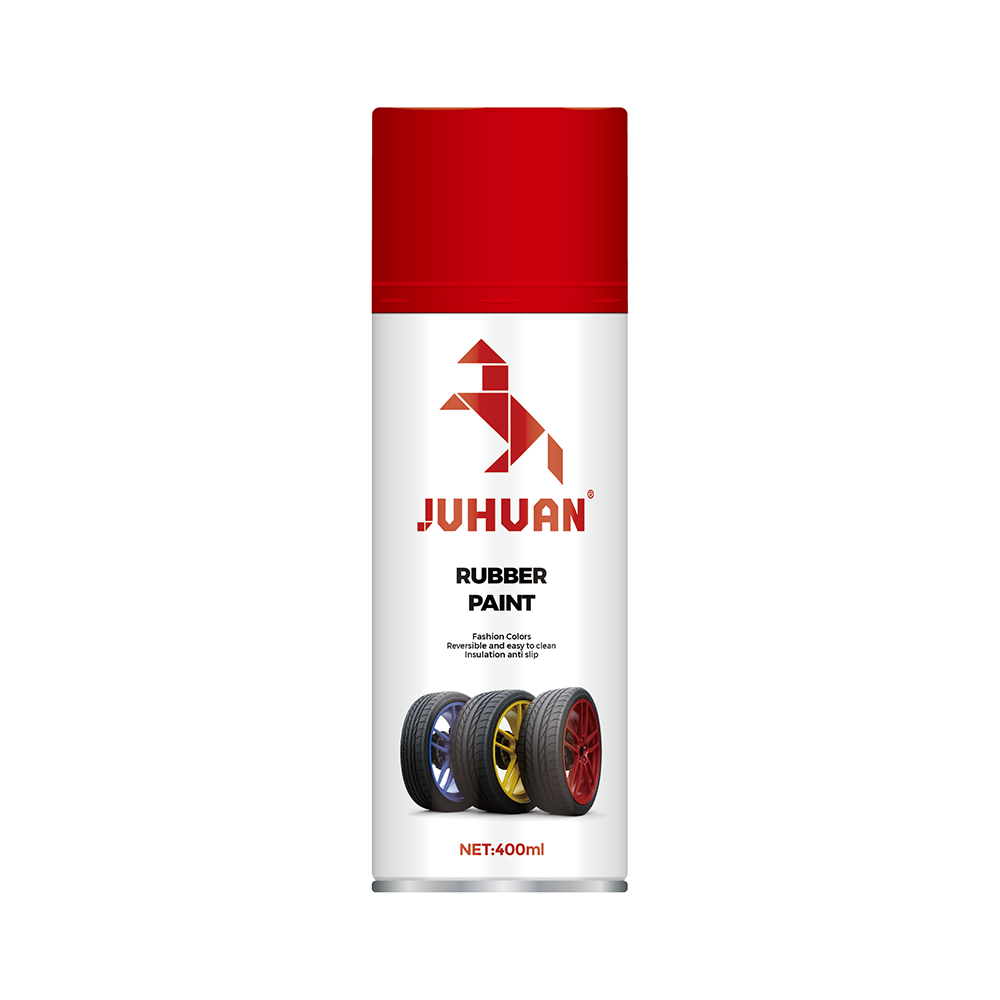
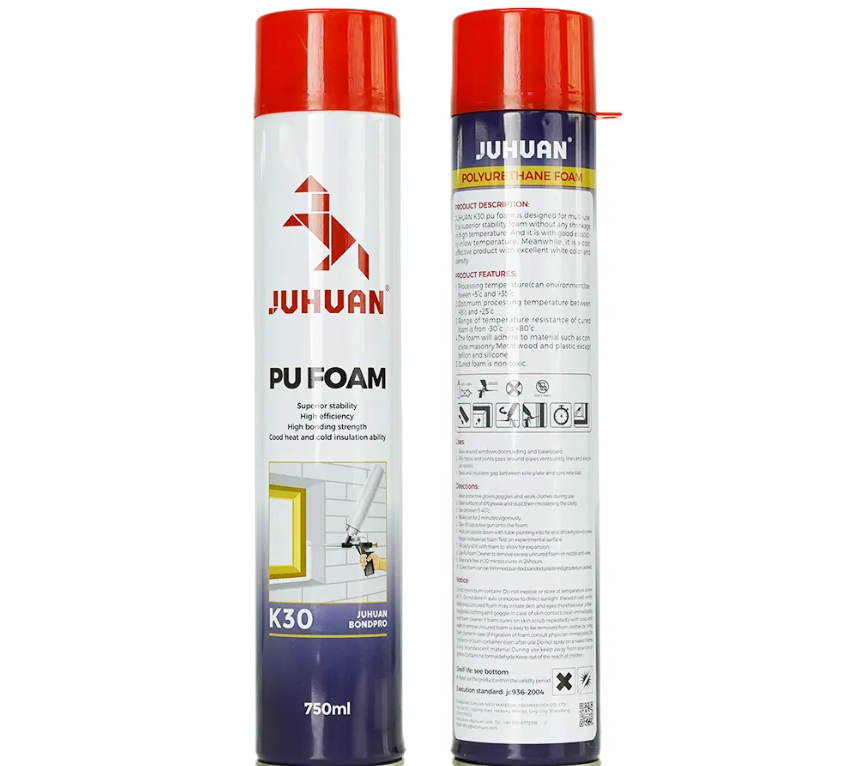
Have you ever looked at some empty space around a window or some cracks in the wall and questioned how to best fill the gaps? You want to fill the gaps to hopefully save some money on your energy bill, keep bugs out, and most importantly, stop the drafts. In home construction, there are many materials to choose from, but one material has proven the best time and time again. In construction, PU foam is the material of choice. You might know PU foam as the expanding foam that you purchase in a pressurized can and spray out as a liquid that then expands into a solid foam. Juhuan, along with others, have been perfecting this home construction material for over thirty years and it has become a construction site, and even DIY, staple. PU foam is a perfect sealing solution for a variety of applications and with that we will explore the abundant reasons that PU foam is the best material for your construction and DIY projects.
Finding the right material to fit a gap can be a challenge when sealing a gap. Using caulk can be risky because if accurate filling of a hole is not achieved, the job is not done. If you use wooden pieces or foam boards to fill the gaps, you have to cut the boards to fit the gaps, and the gaps will remain unsealed.
PU foam is the solution to this problem. It is a thick liquid that sprays out of the can. It contains chemicals and propellants that make it begin to expand. After it has been sprayed, it starts to fill the gaps, and it starts to take shape by fitting into all the odd and irregular spaces that are hard to fill with any rigid or wooden material. It means you do not have to be a master to get a perfect seal. You just spray it, and the foam will do the seal and fill the odd spaces and gaps to create a continuous and complete seal.
PU foam is more than just a space filler, it is a good insulator. Consider a gap in your wall, or around a pipe, it is just like leaving a window open a fraction of an inch. In winter, the heat escapes, and in summer, the cool air leaks out. The energy bill goes up and your house is not very comfortable.
PU foam helps stop this. The foam is made of millions of tiny closed cells, similar to a rigid sponge. These cells trap air, which is a poor conductor of heat. So, by filling a gap with PU foam, you are not just preventing air from moving through, you are creating a thermal break. That is why PU foam is in such high demand for sealing door and window frames. It keeps the outside weather from coming in and helps keep a steady temperature in your house or building.
Another reason PU foam is used in construction is because it literally sticks to almost everything. When you think of materials used in construction, you think of wood, brick, concrete, metal, plastic, and glass. It is a virtually impossible task for one adhesive to bond to all of those.
PU foam does it with no problem whatsoever. It is adhesive and sticks to foam and other materials easily. When it expands, it sticks to the cracks, holes, and other imperfections of the adjacent surfaces, then cures and forms a solid bond. This is why PU foam can be used to hold loose bricks in place, to be used to hold insulation boards to the walls, or to seal the gaps around a bathtub during installation. It fills the gaps, and also holds everything together.
Time is money, so if you are a professional contractor or a DIYer working on your own house, you want options that are quick and easy to apply. PU foam is one of those.
The foam comes in a convenient aerosol can, often containing a straw or applicator tip. No mixing, no tools, and no dealing with putty knives. Just shake the can, attach the straw, and aim and spray. The foam will expand, allowing a little can to fill a long number of gaps. Because the foam comes in an aerosol can, it is accessible to anyone, including amateurs. You can clean up with a special cleaner if you use it before the foam cures.
Once PU foam cures, it is solid, but it is not brittle. This is an important feature. Buildings and materials move. They expand and contract with changes in temperature. They settle over time. If you fill a gap with something completely rigid, like cement or epoxy, it might crack when things shift.
PU foam is also flexible. It is flexible enough to absorb small movements, without breaking the seal, and providing enough strength to give structural support. For instance, PU foam, when used to fix a new door frame, holds the door frame and allows a small amount of movement. That balance of strength and flexibility is hard to beat.
Safety is always a concern in construction, especially with materials that go into walls and around electrical fittings. No one wants a product that could catch fire. Modern PU foam shines here.
To meet changing customer needs, manufacturers have come up with specialized formulations. An example is Juhuan fire retardant polyurethane foam that clears national B1 level inspections. This means it has been certified as resistant to fire and will not promote combustion. It will slow the spread of fire. In most cases, the use of fire foam is a construction and sealing requirement. It offers invaluable time to the occupants of the building when a fire breaks out. This means compliance with safety standards along with the insulation and sealing benefits of PU foam.
There is virtually no limit to the use of PU foam. Apart from the previously mentioned uses in doors and windows, it is used to seal pipe and cable entries into walls. It is also used to fill large voids in masonry. In roofing, it can be used to bond and seal insulation boards. It is also used in the automotive industry for sound proofing and repair.
Juhuan website lists uses for it including lightweight bricks, insulation boards, sealing glass sunroom curtain walls, and home decoration and beautification. It is a true cross industry solution. Builders, plumbers, electricians, and even DIYers working on their basements can use PU foam. This versatility is a key reason for its popularity.
Lastly, let us talk about PU foam in terms of dollars and cents. How do its alternatives stack up? Think of everything it replaces. To seal a large, irregular gap, you could spend hours and hours of labor, cutting and fitting other materials, and then, have a seal that is not even that great.
With PU foam, one canister replaces that entire process in a few minutes, at a cost of a few dollars. If you are paying for labor, it can save you money by saving time. It can also save you energy in the long run. Improved insulation helps reduce heating and cooling costs. PU foam offers amazing value considering all the benefits. Expanding insulation, adhesion, ease of use, and safety add to the incredible value.
Why is PU foam the most popular option when it comes to sealing gaps? The answer is straightforward; it outperforms most other options on the market. It expands to fill every crack and crevice to provide a perfect seal every time. It comes with insulation built in which saves you money on your energy bill. Its versatility cannot be beaten as it adheres to most surfaces. It is quick and easy to use which is great for beginners. It is strong and flexible, and with modern fire retardant options, it is safe to use. PU foam comes with over thirty years of experience behind brands like Juhuan. No matter the scale of your next sealing project, PU foam is something you should definitely take into consideration.
 Hot News
2026-07-01
2026-06-18
2026-06-04
2026-05-16
2026-05-06
2026-04-29
Copyright © 2025 by Shandong Juhuan New Material Technology Co., Ltd. - Privacy policy
 EN
EN