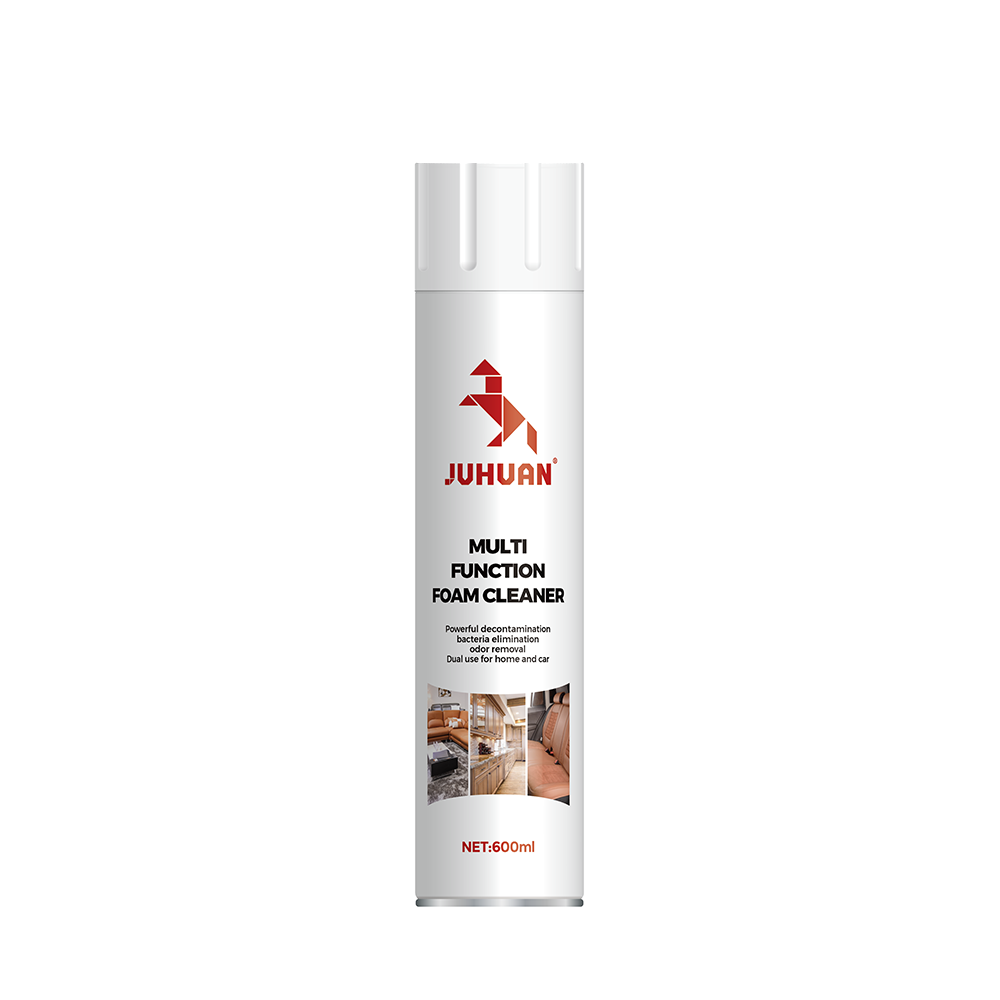
The first thing people notice when they enter a hardware store, is when they stand confused in front of a wall filled with tubes of sealants. With so many sealants, how do you choose which one is right for your project? You see names like silicone, acrylic, polyurethane, and perhaps even MS polymer, which add to the confusion. But like any other product, sealants have different strengths and weaknesses, and as a result, certain sealants are more or less suited for different applications. Over time, specific manufacturers, such as Juhuan, have created a large range of products designed to solve specific issues. Today, we will focus on one product: polyurethane sealant. We will explore the properties that set it apart from the rest, so that the next time you visit your hardware store, you will be able to select the products that best meet your needs.
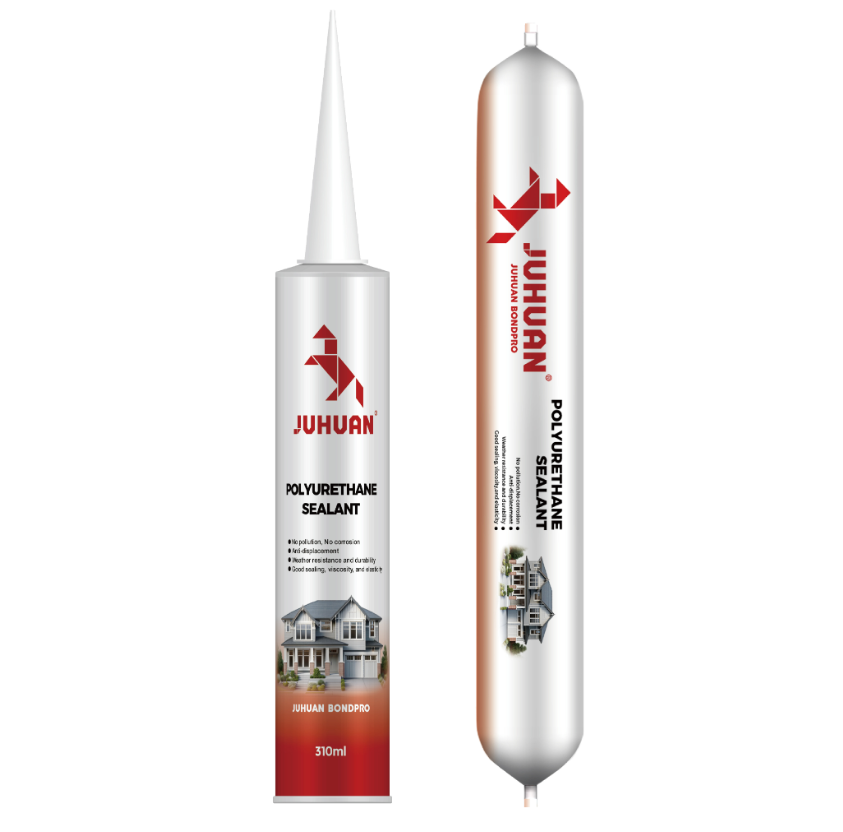
Before we begin, it is worth noting that sealants are not created equally. To begin with, different sealants are manufactured using different base polymers, and the type of polymer used in the sealant controls every single one of the functions of that sealant. You are most likely familiar with the saying that all tools are the same, but it would be silly to use a hammer to drive a screw.
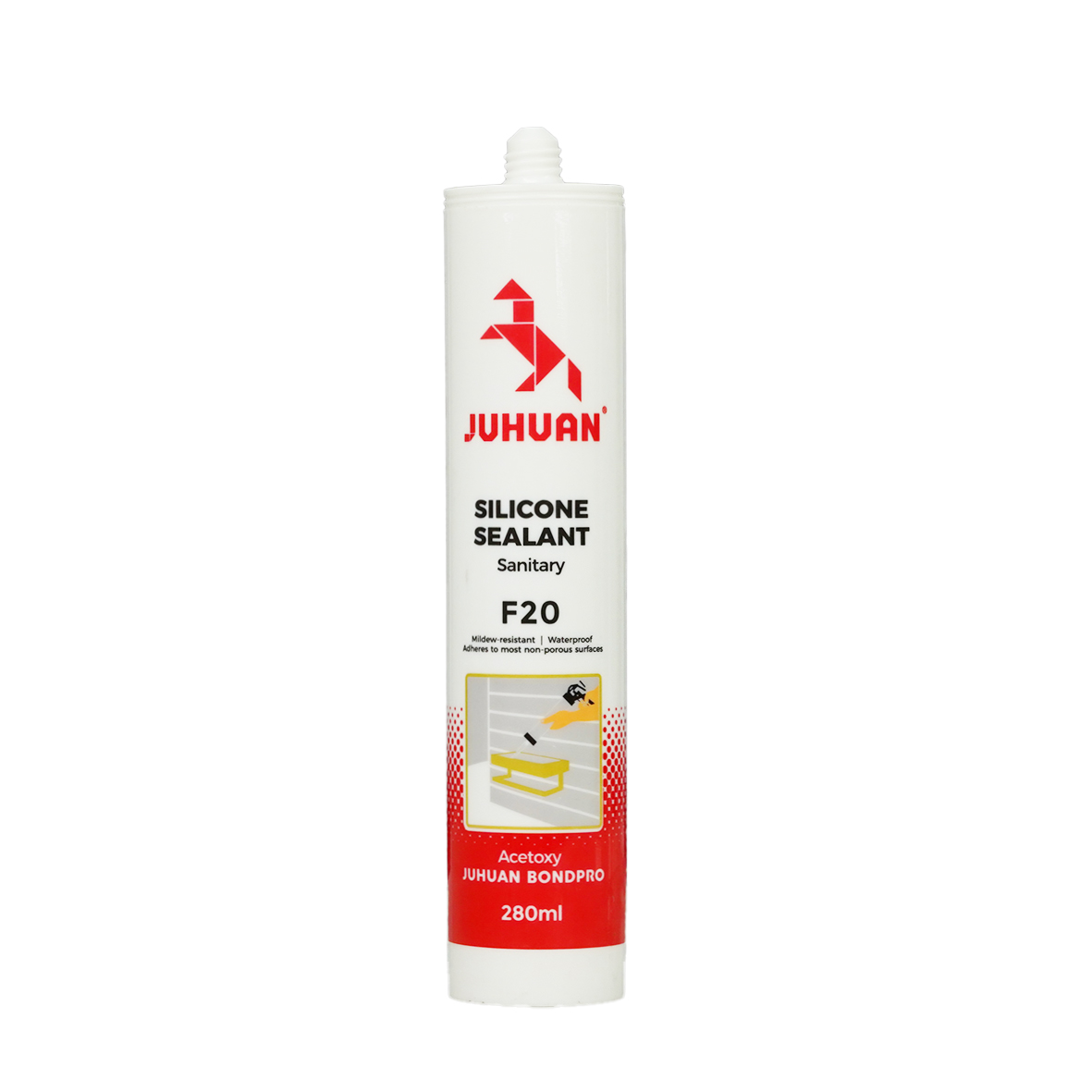
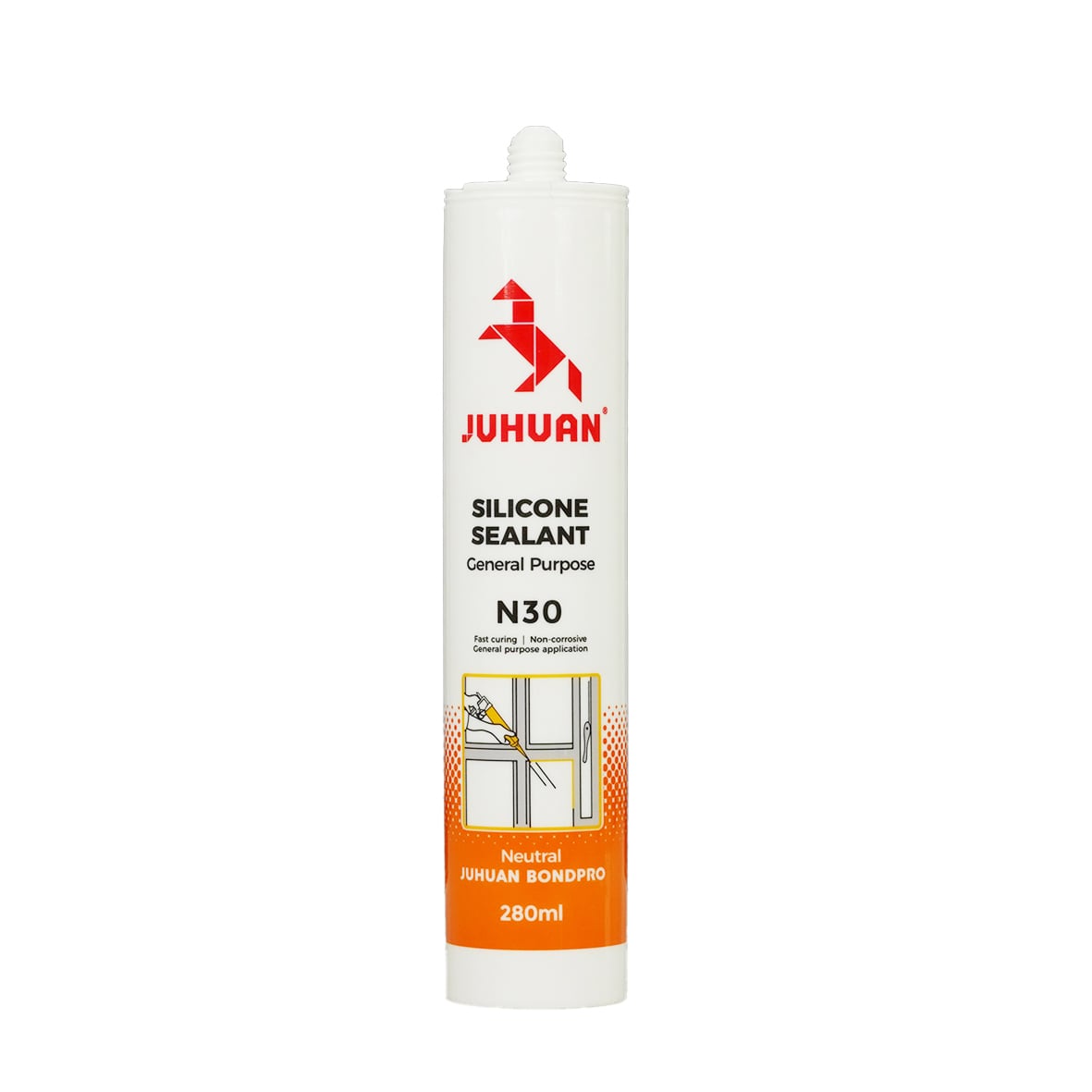
Sealants have attributes that provide unique advantages to different uses. For example, silicone sealants are flexible and provide weather resistance. Acrylics, as a water based sealant, are easier to clean up. Modified silicone sealants, also known as MS polymers, try to take the best attributes from the two prior categories. And then there is polyurethane sealant. It is highly appreciated due to providing excellent strength and durability. Bond strength and durability are critical for heavy duty jobs and therefore, Juhuan offers a full line of these, including polyurethane options, illustrating that all offer unique benefits to meet the needs of construction and repair.
If you need a sealant that can take a beating, look no further than polyurethane sealant. It is tough. It creates a bond that is as strong as they come and once it is cured, it resists abrasion and tearing. Because of this, it is the most preferred for areas that experience heavy wear and tear, including floors, driveways, loading docks, and other similar locations.
Other sealants may offer more flexibility or adaptability to different weather conditions, but when it comes to raw mechanical strength, polyurethane is the winner. Polyurethane provides the most consistent and strongest adhesion to most materials, including concrete, wood, metal and most plastics. Because of this strong adhesion, polyurethane sealants can withstand heavy movement and stress without pulling away from the joint. If you need to seal a joint in a concrete floor or bond materials that are going to be under a lot of stress, you would be wise to consider a polyurethane sealant.
Now, strength is good but a sealant also needs to be able to move. There are constant shifts in structures; materials expand and contract with temperature changes. If a sealant is too rigid, it will simply crack. This is where you see a big difference between types.
The leader in stretchable sealants is silicone, which can stretch and compress huge amounts without failing. Polyurethane is also stretchable, but silicone is more elastic. Polyurethane can offer good movement capability for construction joints in the 20 to 25 percent range. For extreme movement applications, as in wall glazing in tall buildings, silicone is preferred. For sealing door and window frames in the house, polyurethane sealants work perfectly.
Silicone sealants are usually not paintable and pose a difficulty for painting. Silicone sealants make it hard for paint to stick because it just beads up.
Polyurethane sealants and acrylic sealants boast an important advantage as sealants that can be painted over once they cure. This means that you can customize, even invisibly seal, to blend in with the surrounding surfaces. If you are sealing areas such as window trims or baseboards, being able to paint over the seal is a great benefit. While acrylic sealants can also be painted, in areas of greater movement, adhesion, and durability requirements, a good polyurethane sealant will be superior.
Sealants that are used outdoors will need to endure the elements, including sun, rain, snow, and extreme temperatures. This is where various sealants have their strengths and weaknesses.
Silicone wins the award for best UV resistance. It can sit in the blazing sun for years, and still not change. Polyurethane sealant is tougher, but usually not as UV stable as silicone. Some formulations of polyurethane can chalk or degrade on the surface if they sit in sunlight for too long. This is not usually an issue if the sealant is going to be painted, because paint protects from UV. When sealants are going to be used outdoors and UV resistance is the most important factor, silicone is usually best. Polyurethane sealant is great for sealing joints in a painted concrete patio, or for indoor applications.
The way a sealant cures and the time that it takes to cure can also play a role in helping you decide. Acrylic sealants are water based and cure through drying. They skin over quickly, but take a long time to cure fully. Silicone sealants cure through moisture in the air and release acetic acid or other byproducts.
Polyurethane sealants also work by curing through moisture. In a few hours, a skin will form, and depending on humidity and temperature, it may take several days to cure through the entire thickness. Polyurethane sealants can also be a bit stickier and more difficult to tool than other sealants. Typically, cleanup will also require a solvent, which is not the case with acrylics because they clean up with water. Understanding these differences will help you choose the correct product.
Now, what about each of these types of sealants individually? We will use some of the information we have collected from companies like Juhuan, which sells a complete line of silicone, acrylic, and polyurethane sealants, to help answer that.
Sealants made from silicone are commonly used around the house, like in the kitchen or bathroom, for aquariums, and for windows, where flexibility and moisture resistance are a must. If you are planning to paint, acrylic sealants are commonly used for cracks and gaps in the interior. Polyurethane sealant is the go to for construction joints, sealing door and window frames, and for heavy duty jobs where the focus is on strength. Juhuan product line includes marble glue and liquid nails for specific adhesive needs. Choosing the right sealant for the project is essential.
In the end, when determining which sealant to use, ask yourself these questions: What are the surfaces to be bonded? Will the sealant be affected by sunlight? Does it need painting? How much movement will the joint be subjected to? Will it be subjected to a lot of force?
If a joint will be subjected to a lot of movement and requires extreme UV resistance and flexibility, then silicone will be the best product. For painting interior cracks, acrylic may be suitable. However, for construction and repair jobs that need a strong, tough, and durable bond, polyurethane sealant is the best answer. For more than thirty years, manufacturers like Juhuan have developed products to be used in construction. To achieve lasting professional results, it is important to know how to choose the right product for the job.
 Hot News
2026-07-01
2026-06-18
2026-06-04
2026-05-16
2026-05-06
2026-04-29
Copyright © 2025 by Shandong Juhuan New Material Technology Co., Ltd. - Privacy policy
 EN
EN