Modern architecture is defined by glass facades. Buildings look electric and ethereal as they float and soar into the skies with the help of advanced technology. But the beauty of the building on the outside relies on an unappreciated and unsung hero - the narrow, vertical bands of sealant that hold the entire facade together and protect the building from the elements. Joining sealant on top of a glass curtain wall is a different world than sealing a bathroom tile. It's a high-stakes job that requires absolute precision. With the right techniques, the facade will become a long-lasting and attractive design element. But with poor techniques, the facade will become an expensive design element that requires constant repair. Sinc sealing facades is as simple as squeezing a tube into the joints is a misconception. The right product knowledge, combined with passion and craftsmanship, takes sealing facades from mediocre to magnificent. Anyone involved in specifying or applying these materials must have a solid understanding of basic sealing principles to ultimately have a successful, durable installation.
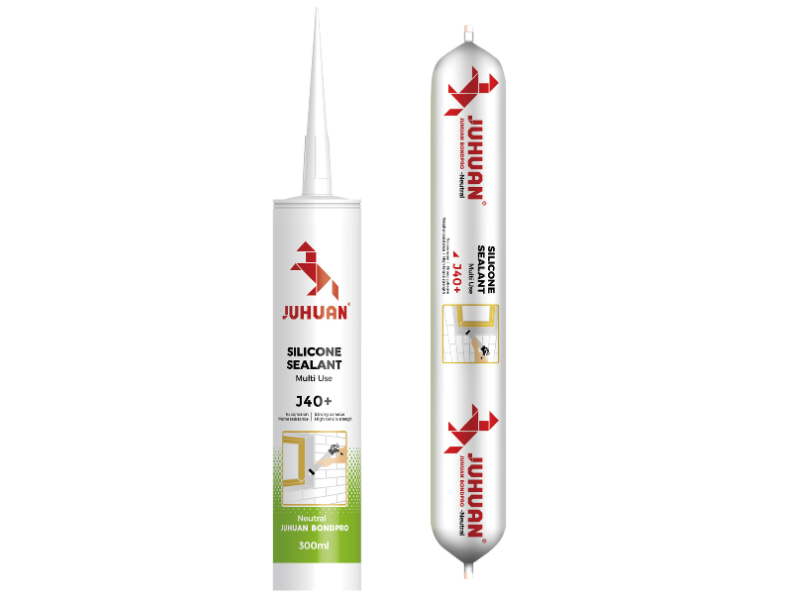
Curtain walls, glass facades, are comprised of aluminum, glass, silicone sealant, and gaskets. Before any sealant is dispensed, it is important to understand the extreme conditions a curtain wall faces. A glass facade serves as a dynamic building skin. It is always moving, expands when the sun heats it, equates and contracts during the nighttime cold. It faces extremely punishing, all year round ultraviolet radiation that can degrade many materials and glass. It battles wind pressure, driving rain, and in some regions of the world, also salt spray or pollution. The primary role of the glass sealant here is dual. It must create a flexible, weatherproof bond between glass and metal or other framing, and in many structural glazing systems, it actually helps transfer wind loads. As a result, the chosen product must be a high-performance, engineered material specifically designed for structural or weather-sealing applications on facades. It needs exceptional UV resistance, a wide service temperature range, and the ability to bear significant calculated joint movement. Employing a sealant with a generic standard, and without structural properties is a recipe for premature failure. The environment dictates the product, and the product dictates the specific application protocol that must be followed.
Sealant failures result most commonly due to adhesion loss, and this loss is due to adhesion. Weak surface preparation is a root cause and irreversible step. It is necessary that both joint surfaces, which include the glass edge and the adjacent frame (or substrate), are clean, dry, and free of any contaminants. A proper bond will be voided through dust, oil, grease, old sealant residue, and concrete laitance. The two-step cleaning process functions in the following way: mechanical cleaning serves to remove any loose particles or other remnants of material, and then solvent cleaning is performed to remove any invisible oils and films. It is important that directions from the sealant manufacturer be strictly followed when chemical and other cleaning methods are used. The joint also needs to be well designed. A compatible backer rod is of great importance for deeper joints. This is a closed-cell foam rod that directly controls the depth of the sealant bead, and also ensures proper shape is maintained for adhesion to movement where it prevents adhesion for three sides of the bond. Out of the entire scope of work, the greatest importance is for the seal to endure, is to spend the time to thoroughly prepare the surfaces.
After preparing the joint, we begin the actual application and technique with the right tool. A steady, smooth-action caulk gun is needed for consistent control over the caulk bead. The tip should be cut at a 45-degree angle with an opening that is matched to the joint width, so the sealant can be injected at the full depth of the joint. The bead of sealant should be applied at an even, controlled pace at the same angle to the surface, all the way, to create a smooth, uniform bead without gaps or air voids. The magic for a professional, functional finish occurs during the tooling stage. Tooling is done as soon as a bead of sealant is applied. A sealant bead should be tooled using a silicone profiling tool or a tooling spoon, and a concoction that is mildly soapy to prevent the tool from sticking. The sealant is pressed down firmly into the joint. This method will ensure an intimate bond of the sealant with the joint, as it will eliminate air pockets and create a smooth, consistent surface, which will make the sealant more effective in times of stress or adverse weather. There is more to a well tooled bead than just appearance. The sealant's functional properties and overall longevity are also improved.
Tooling the final bead does not mean the installer’s job is complete. The sealant must now enter the critical curing phase. Curing is an irreversible chemical process which occurs when the material sets from a thick, paste-like consistency to a soft, elastic rubber. Curing needs time and moisture in the air. In order to be fully cured, it could take anywhere from a day to days depending on the formula, depth of the joint, and the humidity and temperature of the air around it. No rain, dust, or physical interaction to the fresh sealant is allowed. We should keep the area near the sealed joints traffic-free. Once it is done, be sure to check the status of the sealant during the cure period. Quality assurance consists of looking to see that the sealant is smooth, uniform, fully adhered, and that there are no any voids or misses. For critical applications, individual patches or smaller areas adhesiveness can be tested. For long term maintenance, documenting the application is a recommended best practice. Curing and quality assurance is the final part of care taken to be sure the sealant is installed. After this, the system can be expected to perform as the engineering design intended.
To finish, putting sealant on a glass facade is a complicated procedure that requires both material science and trade work. The process begins with the selection of a sealant made for structural and weather protection. Then, surface preparation is done. This is followed by a delay of material application and tooling where a steady hand is required. A material is then decided for curing, and a detailed review of all steps is done. Each one of these steps is dependent on a material of the previous one. A looseness in one of these steps can ruin the full system. By respecting these material interconnections, professionals can best ensure that their glass facade will be paired with a good structural performance on the facade protection system, preserving the interior and outer view of the building for the years of structural service.
 Hot News
2026-07-01
2026-06-18
2026-06-04
2026-05-16
2026-05-06
2026-04-29
Copyright © 2025 by Shandong Juhuan New Material Technology Co., Ltd. - Privacy policy
 EN
EN